Cheese Recipes
Cheese is a versatile ingredient that adds rich flavor, creamy texture, and satisfying depth to countless dishes. It is widely used in pasta, pizza, casseroles, sandwiches, salads, soups, appetizers, and baked recipes. Cheese pairs especially well with pasta, eggs, and butter. Explore easy recipes with cheese and discover delicious ideas for breakfast, lunch, dinner, appetizers, side dishes, and homemade comfort food.
Best Cheese Recipes
Read more about cheese
What Is Cheese?
Cheese is a dairy product traditionally made by separating milk into solid curds and liquid whey. The curds are then processed in different ways to create cheeses with distinct flavors, textures, and aging characteristics. Cheese may be fresh and creamy, soft and mild, firm and savory, or aged and sharp.
Different varieties work better for different recipes. Some cheeses melt smoothly, while others are best crumbled, sliced, grated, or served on their own.
Popular Types of Cheese
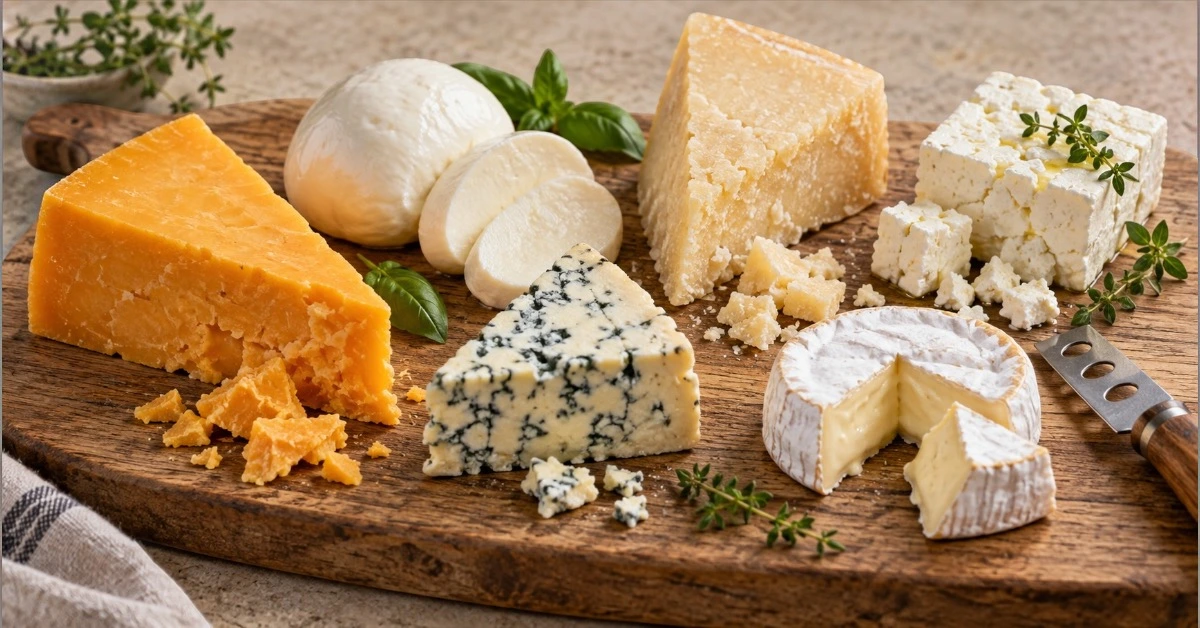
There are thousands of cheese varieties, but these are some of the most commonly used in home cooking:
- Cheddar cheese – flavorful and versatile for burgers, casseroles, sandwiches, soups, and sauces.
- Mozzarella cheese – mild and stretchy when melted, making it ideal for pizza, pasta, and baked dishes.
- Parmesan cheese – firm and savory, commonly grated over pasta, salads, soups, and roasted vegetables.
- Cream cheese – soft and creamy for cheesecakes, frostings, dips, spreads, and sauces.
- Cottage cheese – fresh and mild, often used in breakfast bowls, salads, lasagna, and high-protein meals.
- Blue cheese – bold and tangy for salads, dressings, sauces, burgers, and appetizers.
How to Use Cheese
Cheese can be shredded over tacos, melted into sauces, layered into casseroles, folded into omelets, added to sandwiches, or served with fruit and crackers. It can also add flavor and texture to soups, salads, breads, dips, and baked dishes.
For smoother melting, shred cheese from a block shortly before cooking. Pre-shredded cheese often contains anti-caking ingredients that may prevent it from melting as evenly. Add cheese gradually to sauces over low heat to reduce the risk of clumping or separating.
Best Cheeses for Melting
Mozzarella, cheddar, Monterey Jack, Gruyère, fontina, provolone, and young Gouda are popular melting cheeses. They work well in grilled cheese sandwiches, pizza, macaroni and cheese, casseroles, quesadillas, and creamy sauces.
Very aged or dry cheeses, such as Parmesan, usually do not become stretchy, but they add rich savory flavor when finely grated into warm dishes.
Cheese Substitutes
The best cheese substitute depends on the recipe and the type of cheese being replaced:
- Use Monterey Jack or Colby in place of mild cheddar.
- Use provolone or young Gouda as an alternative to mozzarella in many cooked dishes.
- Use Pecorino Romano in place of Parmesan when a sharper, saltier flavor is acceptable.
- Use mascarpone or Neufchâtel as an alternative to cream cheese, depending on the recipe.
- Use a suitable plant-based cheese when preparing a dairy-free dish.
Cheeses vary in moisture, saltiness, flavor, and melting behavior, so substitutions may change the final texture and taste. Check the recipe requirements before replacing one variety with another.
How to Store Cheese
Keep cheese refrigerated and follow the storage instructions printed on its package. Wrap opened blocks of firm or semi-firm cheese in cheese paper, parchment paper, or another food-safe wrapping that helps protect them from drying out. Place fresh and soft cheeses in tightly sealed containers.
Store cheese away from strongly scented foods because it can absorb odors. Use clean utensils when cutting or serving it, and return it to the refrigerator promptly. If the cheese develops an unusual odor, discoloration, slimy texture, or other signs of spoilage, discard it.
Shredded cheese can sometimes be frozen for later use in cooked dishes, although freezing may make its texture more crumbly. Soft and fresh cheeses generally experience greater texture changes after freezing.
Frequently Asked Questions
Which cheese is best for cooking?
The best choice depends on the dish. Mozzarella is excellent for pizza, cheddar works well in casseroles and sandwiches, Parmesan adds savory flavor to pasta, and cream cheese creates rich dips, frostings, and sauces.
Which cheeses melt well?
Mozzarella, cheddar, Monterey Jack, Gruyère, fontina, provolone, and young Gouda generally melt well. Moisture content, age, temperature, and preparation can all affect how smoothly a cheese melts.
Can cheese be frozen?
Many firm and shredded cheeses can be frozen, but their texture may become drier or more crumbly after thawing. Previously frozen cheese is usually best used in sauces, casseroles, soups, and other cooked dishes.
Why does cheese become oily when melted?
Cheese may release oil when it is heated too quickly or at an excessively high temperature. Aged cheeses can also separate more easily. Melt cheese slowly over low heat and avoid overheating it for a smoother result.
Is cheese gluten-free?
Many plain, natural cheeses do not contain gluten ingredients. However, processed cheese products, flavored cheeses, shredded cheese blends, and sauces may contain additives or be exposed to cross-contact. Check the package for a certified gluten-free label if gluten must be strictly avoided.
Is all cheese made from cow’s milk?
No. Cheese can be made from cow’s, goat’s, sheep’s, or buffalo’s milk. Each type of milk gives the finished cheese a different flavor, texture, and nutritional profile.