Chickpea Flour Recipes
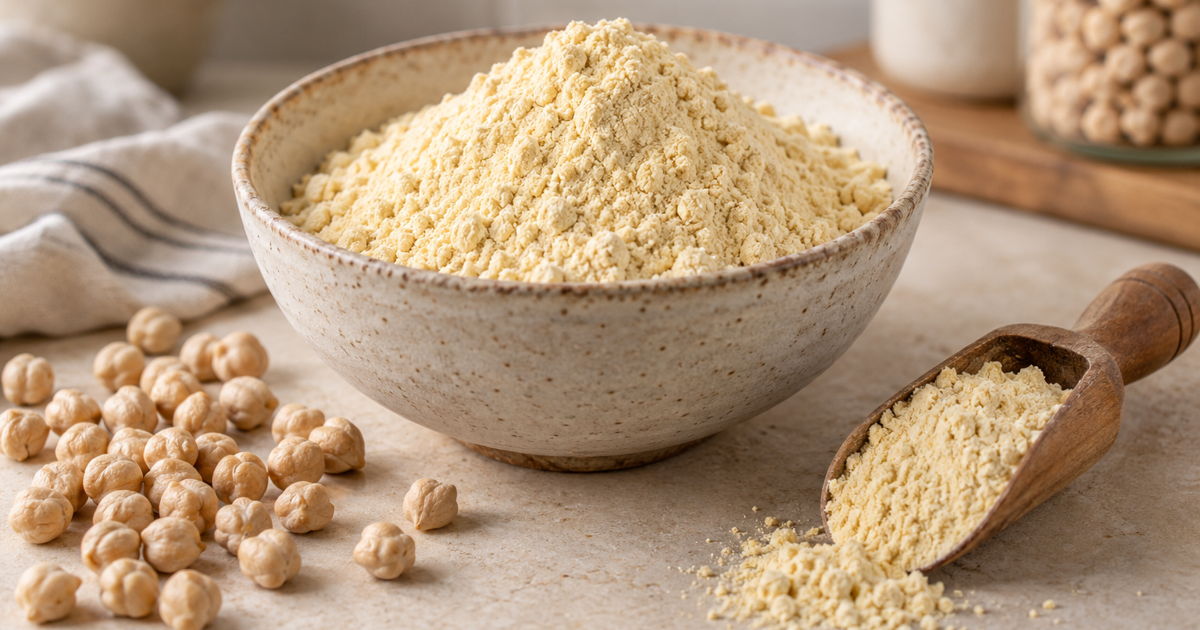
Chickpea flour is a versatile flour made from finely ground chickpeas. It has a mildly nutty flavor and works well in pancakes, flatbreads, fritters, savory baked goods, batters, sauces, and gluten-free recipes. Chickpea flour pairs especially well with chickpeas, vegetables, herbs, and spices. Explore easy recipes with chickpea flour and discover delicious ideas for breakfast, baking, snacks, appetizers, and savory meals.
Best Chickpea Flour Recipes
Read more about Chickpea Flour
What Is Chickpea Flour?
Chickpea flour is made by grinding dried chickpeas into a fine powder. It is also known as garbanzo bean flour, gram flour, or besan, although the exact type of chickpea used may vary between products and cuisines.
Chickpea flour has a pale yellow color, a fine texture, and a distinctive nutty flavor. It is commonly used in Indian, Mediterranean, Middle Eastern, and Italian cooking to prepare flatbreads, fritters, pancakes, batters, and savory snacks.
Is Chickpea Flour Gluten-Free?
Chickpea flour is naturally gluten-free because it is made from chickpeas rather than wheat. It can be useful in gluten-free pancakes, flatbreads, crackers, and other recipes.
People who must strictly avoid gluten should check the package for a certified gluten-free label. Some products may be processed in facilities that also handle wheat and other gluten-containing ingredients.
How to Use Chickpea Flour
Chickpea flour can be used to make savory pancakes, flatbreads, fritters, vegetable patties, crackers, pizza crusts, and baked snacks. It also creates a flavorful coating for vegetables and other foods before frying or baking.
Because it absorbs liquid and helps bind ingredients together, chickpea flour can thicken soups, sauces, and gravies. It may also be used as a binding ingredient in veggie burgers, meatless patties, and vegetable fritters.
Baking with Chickpea Flour
Chickpea flour has different properties from traditional wheat flour, so it cannot always replace wheat flour in equal amounts. It has no gluten, which means it does not create the same elasticity or structure in bread, cakes, and other baked goods.
For the best texture, chickpea flour is often combined with other gluten-free flours or starches. It works particularly well in dense, savory recipes where its nutty flavor complements vegetables, cheese, herbs, and spices.
What Does Chickpea Flour Taste Like?
Chickpea flour has a mildly earthy, nutty flavor that becomes softer and more balanced after cooking. Raw chickpea flour can taste bitter, so it should be thoroughly cooked before serving.
Seasonings such as garlic, cumin, paprika, black pepper, parsley, and other herbs can complement its flavor. It also pairs well with onions, tomatoes, spinach, zucchini, cauliflower, and other vegetables.
Chickpea Flour vs. Regular Flour
Regular all-purpose flour is made from wheat and contains gluten, while chickpea flour is made from legumes and is naturally gluten-free. Chickpea flour generally has a stronger flavor, a denser texture, and greater binding ability.
The best choice depends on the recipe. All-purpose flour is usually better for light cakes and yeast breads, while chickpea flour works especially well in savory pancakes, flatbreads, fritters, coatings, and gluten-free dishes.
How to Store Chickpea Flour
Store chickpea flour in a tightly sealed container in a cool, dry place away from direct sunlight. Because it contains natural oils, it can develop an unpleasant flavor if stored for too long in a warm kitchen.
For longer storage, keep chickpea flour in the refrigerator or freezer. Allow refrigerated flour to reach room temperature before using it, and always check its aroma and expiration date.
Frequently Asked Questions
Is chickpea flour the same as gram flour?
The names are often used interchangeably, but some gram flour is produced from split brown chickpeas, while garbanzo bean flour is commonly made from larger white chickpeas. Their flavor and texture may differ slightly.
Can chickpea flour replace regular flour?
It can replace regular flour in some recipes, especially savory pancakes, fritters, coatings, and flatbreads. However, a direct substitution may not work in recipes that depend on gluten for a light or elastic texture.
Does chickpea flour need to be cooked?
Yes. Chickpea flour should be properly cooked before eating. Cooking removes its raw, bitter flavor and improves the texture of the finished dish.