Easy Apple Recipes
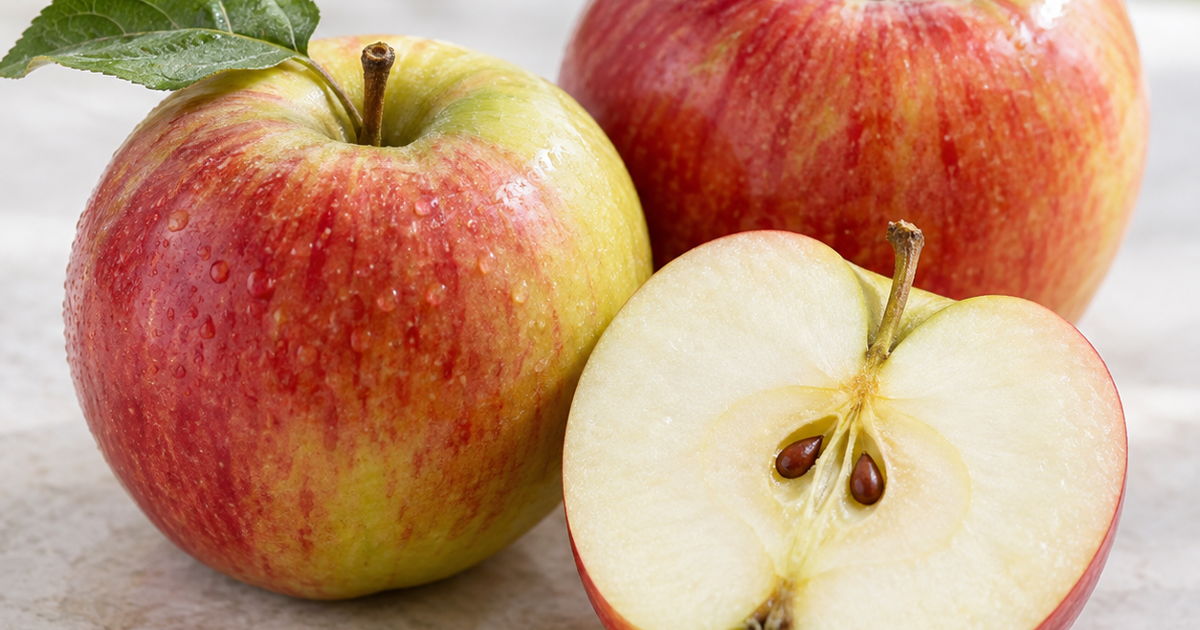
Apple is a crisp and versatile fruit that adds natural sweetness, gentle acidity, moisture, and texture to sweet and savory recipes. Apples are widely used in pies, cakes, muffins, salads, sauces, oatmeal, pancakes, drinks, and roasted dishes. Apples pair especially well with brown sugar, butter, and flour. Explore easy apple recipes and discover delicious ideas for breakfast, lunch, baking, desserts, drinks, snacks, and seasonal treats.
Best Apple Recipes
Read more about apples
What Are Apples?
Apples are firm, round fruits available in many colors, sizes, textures, and flavor profiles. Depending on the variety, an apple may taste sweet, tart, floral, mildly spiced, or a combination of these flavors.
Apples can be eaten raw or cooked by baking, roasting, sautéing, simmering, grilling, or blending. Their versatility makes them suitable for desserts, breakfasts, salads, sauces, drinks, and savory dishes.
Popular Types of Apples
Different apple varieties work best in different recipes:
- Granny Smith – firm and tart, making it a popular choice for pies, crisps, salads, and baked desserts.
- Honeycrisp – crisp, juicy, and sweet-tart; excellent for eating fresh, salads, and baking.
- Fuji – sweet and crunchy, making it suitable for snacks, salads, sauces, and desserts.
- Gala – mildly sweet with a softer texture; useful for eating fresh, applesauce, and baking.
- Braeburn – firm and balanced between sweet and tart, making it suitable for pies and roasted dishes.
- Pink Lady – crisp and tangy with a sweet finish; ideal for salads, snacks, and baking.
- Golden Delicious – sweet and tender, making it suitable for sauces, cakes, pies, and baked apples.
Best Apples for Baking
Firm apples that maintain some texture during cooking are generally the best choice for pies, crisps, cobblers, cakes, and baked apples. Granny Smith, Honeycrisp, Braeburn, Pink Lady, and similar varieties work well.
Combining a tart apple with a sweeter variety can create a more balanced flavor and interesting texture. Avoid relying only on very soft apples when the finished dessert should contain distinct pieces of fruit.
How to Use Apples
Raw apples can be sliced into salads, added to oatmeal, served with cheese or nut butter, or blended into smoothies and drinks. They can also be grated into pancakes, muffins, cakes, and quick breads.
Cooked apples work well in pies, crisps, cobblers, sauces, compotes, pork dishes, roasted vegetables, stuffing, and warm breakfast bowls. Cinnamon, nutmeg, ginger, vanilla, caramel, walnuts, and lemon juice are popular flavor pairings.
How to Keep Cut Apples From Turning Brown
Cut apples turn brown after their flesh is exposed to oxygen. To slow browning, lightly coat the pieces with lemon juice diluted with a small amount of water.
Keep the cut apples in a tightly sealed container in the refrigerator until needed. This treatment slows browning but may add a slight citrus flavor.
Apple Substitutes
The best substitute depends on the recipe:
- Use pears in salads, cakes, crisps, pies, sauces, and baked desserts.
- Use firm peaches or nectarines in cobblers, cakes, sauces, and fruit fillings.
- Use quince in cooked recipes where a firm texture and tart flavor are appropriate.
- Use applesauce in selected cakes, muffins, pancakes, sauces, and marinades.
- Use pumpkin or mashed banana in some baked recipes when a different flavor is acceptable.
Substitutions may change the sweetness, acidity, moisture, and cooking time. Adjust sugar and liquid ingredients according to the fruit being used.
How to Make Homemade Applesauce
Peel the apples if desired, remove the cores, and cut the fruit into evenly sized pieces. Place the apples in a saucepan with a small amount of water and lemon juice.
Cook gently until the apples become soft, then mash them for a chunky texture or blend until smooth. Add cinnamon, vanilla, or a small amount of sugar if needed after tasting.
How to Store Apples
Whole apples can be kept at room temperature for short-term use, but refrigeration generally helps preserve their crisp texture for longer. Store them away from strongly scented foods and check them regularly for soft or damaged areas.
Refrigerate cut apples in a clean, tightly sealed food-safe container. Discard apples that develop mold, leaking liquid, a fermented odor, or extensive soft and discolored areas.
Apples can also be frozen for future sauces, smoothies, pies, and baked recipes. Peel, core, and slice them before freezing for convenient use.
Frequently Asked Questions
Which apples are best for apple pie?
Firm, tart or sweet-tart apples such as Granny Smith, Honeycrisp, Braeburn, and Pink Lady work well. Combining two varieties can provide a more balanced flavor and texture.
Do apples need to be peeled for baking?
Not always. The peel can add color and texture, but peeled apples create a softer and more uniform filling. Follow the recipe or choose according to personal preference.
Can apples be frozen?
Yes. Peel and core the apples, cut them into slices or pieces, and freeze them in a single layer before transferring them to a freezer-safe container.
Why do cut apples turn brown?
Browning occurs when the cut surface is exposed to oxygen. Lemon juice or another acidic liquid can slow this reaction.
Can applesauce replace oil in baking?
Unsweetened applesauce can replace some or all of the oil in selected cakes, muffins, brownies, and quick breads. The result may be softer, denser, or less rich than the original recipe.
Are apples gluten-free?
Plain fresh apples naturally do not contain gluten. Apple pie filling, sauces, dried apple snacks, and flavored products may contain additional ingredients, so check the package when gluten must be strictly avoided.