Baking Powder Recipes
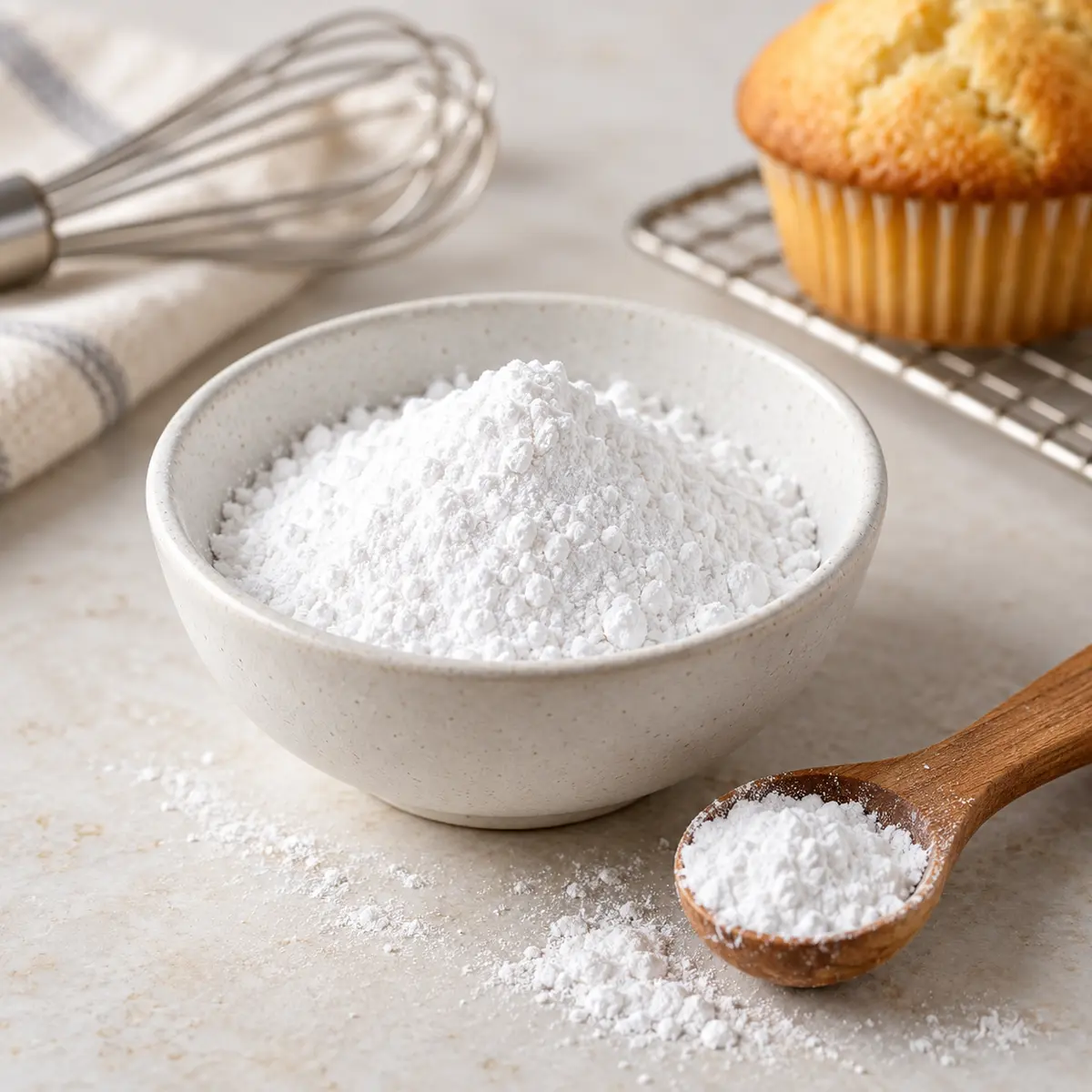
Baking powder is a common baking ingredient used to help baked goods rise and develop a light, tender texture. It is widely used in pancakes, muffins, cakes, biscuits, quick breads, and other homemade baked treats. Baking powder works especially well with flour, butter, and vanilla extract. Explore easy recipes with baking powder and discover delicious ideas for breakfast, baking, desserts, pancakes, muffins, cakes, and homemade treats.
Best Baking Powder Recipes
Read more about baking powder
What Is Baking Powder?
Baking powder is a leavening agent that helps baked goods rise. It usually contains baking soda, a dry acid, and starch. When mixed with liquid—and often again when heated—it releases carbon dioxide bubbles that create a light and tender texture.
Baking Powder vs. Baking Soda
Baking powder already contains the acid needed for activation, while baking soda must be combined with an acidic ingredient such as buttermilk, yogurt, lemon juice, or vinegar. They are not directly interchangeable, so follow the recipe measurements carefully.
How to Use Baking Powder
Baking powder is commonly used in pancakes, muffins, biscuits, cakes, scones, and quick breads. Measure it accurately and make sure it is fresh, because expired baking powder may prevent baked goods from rising properly.
Baking Powder Substitutes
If you run out of baking powder, the most reliable homemade substitute combines baking soda with cream of tartar. To replace 1 teaspoon of baking powder, mix:
- 1/4 teaspoon baking soda
- 1/2 teaspoon cream of tartar
Add the mixture to the recipe immediately for the best rising power. Baking soda should not be used alone as a direct replacement because it needs an acidic ingredient to produce carbon dioxide. Substitutions can also affect flavor and texture, so use regular baking powder whenever possible.
How to Test Baking Powder
You can perform a quick freshness test before adding baking powder to a recipe:
- Place 1 teaspoon of baking powder in a small bowl.
- Add 1/3 cup of hot water.
- Watch for an immediate bubbling or foaming reaction.
If the mixture foams vigorously, the baking powder still has enough activity for baking. If there is little or no reaction, replace it with a fresh container to help your baked goods rise properly.
How to Store Baking Powder
Store baking powder in a tightly sealed container in a cool, dry cupboard. Keep it away from moisture, steam, direct sunlight, and heat from the oven or stove. Always use a clean, dry measuring spoon to prevent moisture from entering the container.
Check the manufacturer’s best-by date and test the baking powder if it has been open for several months. Write the opening date on the package so you can easily monitor its freshness. Replace it if it develops an unusual odor, becomes contaminated, or no longer reacts strongly with hot water.
Frequently Asked Questions
Is baking powder the same as baking soda?
No. Baking powder contains baking soda plus one or more dry acids. Baking soda requires a separate acidic ingredient, such as buttermilk, yogurt, lemon juice, or vinegar, to activate properly.
Can baking soda replace baking powder?
Baking soda should not be substituted in equal amounts for baking powder. It is more concentrated and requires enough acid in the recipe. For predictable results, use a tested substitution or follow the original recipe.
What is double-acting baking powder?
Double-acting baking powder releases some carbon dioxide when mixed with liquid and produces an additional reaction when exposed to heat. Most baking powder sold in U.S. grocery stores is double-acting.
Why did my baked goods not rise?
Common causes include old baking powder, inaccurate measuring, overmixing the batter, waiting too long before baking, or using an incorrect oven temperature. Test the baking powder with hot water if you are unsure about its freshness.
Is baking powder gluten-free?
Many baking powders are made without gluten-containing ingredients, but formulations and manufacturing practices vary. Check the package for a certified gluten-free label if you need to avoid gluten because of celiac disease or another medical condition.