Vanilla Extract Recipes
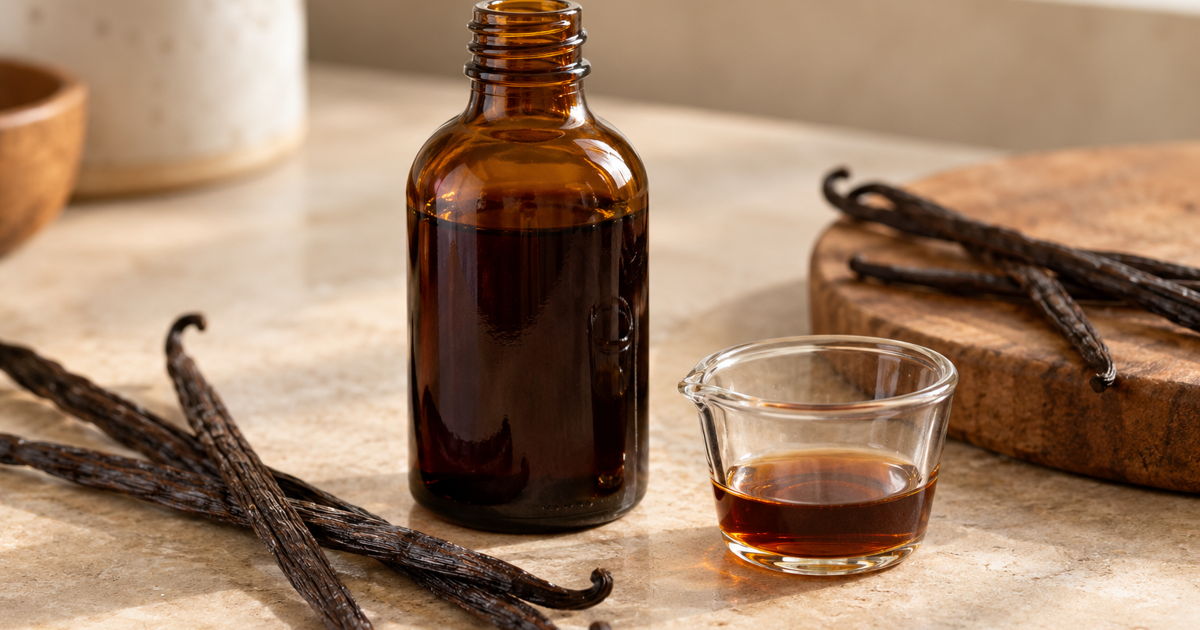
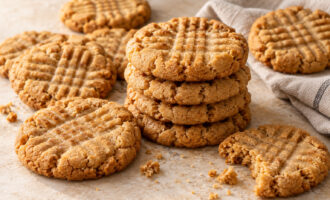
Vanilla extract is a fragrant flavoring ingredient commonly used in cakes, cookies, muffins, pancakes, frostings, drinks, and homemade desserts. Its warm, sweet aroma enhances chocolate, fruit, caramel, and creamy flavors. Vanilla extract pairs especially well with flour, butter, chocolate, and brown sugar. Explore easy recipes with vanilla extract and discover delicious ideas for baking, breakfast, desserts, drinks, and sweet treats.
Best Vanilla Extract Recipes
Read more about vanilla extract
What Is Vanilla Extract?
Vanilla extract is a liquid flavoring traditionally made by soaking vanilla beans in a mixture of alcohol and water. The liquid draws out the beans’ aromatic compounds, producing the familiar warm, sweet, and floral vanilla flavor.
Vanilla extract is commonly added to cookies, cakes, muffins, pancakes, custards, frostings, drinks, and other desserts. Although it is usually used in small amounts, it can enhance the overall flavor and aroma of a recipe.
Pure Vanilla Extract vs. Imitation Vanilla
Pure vanilla extract is made using real vanilla beans. Its flavor can include sweet, floral, woody, and slightly smoky notes, depending on the variety and origin of the beans.
Imitation vanilla is made primarily with manufactured vanillin, the compound most closely associated with vanilla flavor. It is generally less expensive and can work well in strongly flavored or high-temperature baked recipes.
Both products can be used in many cakes, cookies, and desserts, but pure vanilla extract usually provides a more complex aroma. Check the recipe and product label before making a substitution.
How to Use Vanilla Extract
Vanilla extract can be added to cake batter, cookie dough, muffins, pancakes, waffles, custards, puddings, frosting, whipped cream, smoothies, and hot drinks. It is usually mixed with the liquid or wet ingredients so the flavor is evenly distributed.
Vanilla pairs particularly well with chocolate, cocoa powder, caramel, coffee, cinnamon, bananas, berries, apples, citrus fruits, nuts, and butter.
How Much Vanilla Extract Should You Use?
Many cakes, cookies, and dessert recipes use approximately one teaspoon of vanilla extract, but the correct amount depends on the size and flavor of the recipe. Delicate desserts may require less, while larger batches or strongly flavored recipes may use more.
Measure vanilla extract carefully because adding too much can overpower subtle flavors. For dependable results, begin with the amount specified in the recipe and adjust only when necessary.
Vanilla Extract in Baking
Vanilla extract does more than give baked goods a recognizable vanilla taste. It can also complement sugar, eggs, flour, chocolate, fruit, and spices, making the finished recipe taste more balanced.
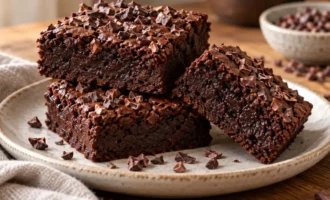
Add vanilla to the wet ingredients when preparing cookies, cakes, brownies, muffins, or pancakes. In no-bake desserts and frostings, start with a small amount and taste before adding more.
Can Vanilla Extract Be Used in Drinks?
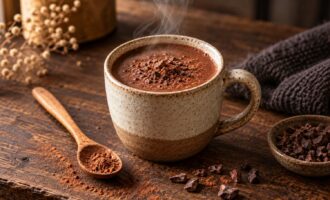
Vanilla extract can add flavor to coffee, hot chocolate, milkshakes, smoothies, and homemade syrups. Because the flavor is concentrated, only a small amount is usually needed.
When adding it to a cold drink, mix thoroughly so the vanilla flavor is distributed evenly. For hot drinks, it can be stirred in with milk, sweetener, or other flavorings.
Best Vanilla Extract Substitutes
Possible alternatives include vanilla bean paste, vanilla powder, or the seeds scraped from a vanilla bean. Imitation vanilla may also work in many baked recipes.
Each substitute has a different strength and composition, so it may not replace vanilla extract in equal amounts. Follow the package directions or use a recipe developed for the specific vanilla product.
How to Store Vanilla Extract
Store vanilla extract tightly closed in a cool, dark place away from direct sunlight and heat. A kitchen cabinet or pantry is usually suitable. Refrigeration is generally unnecessary and may make natural vanilla compounds appear cloudy.
Always keep the bottle securely closed to reduce evaporation and preserve its aroma. Properly stored vanilla extract can maintain its flavor for a long time.
Vanilla Extract FAQ
Is vanilla extract sweet?
Vanilla extract has a sweet aroma, but pure vanilla extract usually contains little or no sugar and may taste strong or bitter by itself. It is normally combined with sweeteners and other ingredients.
Can vanilla extract be added to any cake?
Vanilla extract works well in most cakes, including vanilla, chocolate, fruit, and spice cakes. It enhances other flavors without necessarily making the finished cake taste strongly of vanilla.
Does vanilla extract need to be refrigerated?
No. Vanilla extract is generally best stored tightly sealed at room temperature in a cool, dark cabinet away from heat and sunlight.