Easy Banana Recipes
Banana is a naturally sweet and versatile fruit that adds moisture, flavor, and a soft texture to recipes. Bananas are widely used in smoothies, pancakes, muffins, breads, cakes, oatmeal, desserts, and homemade snacks. Bananas pair especially well with flour, eggs, and vanilla extract. Explore easy banana recipes and discover delicious ideas for breakfast, baking, desserts, drinks, snacks, and homemade treats.
Best Banana Recipes
Read more about bananas
What Are Bananas?
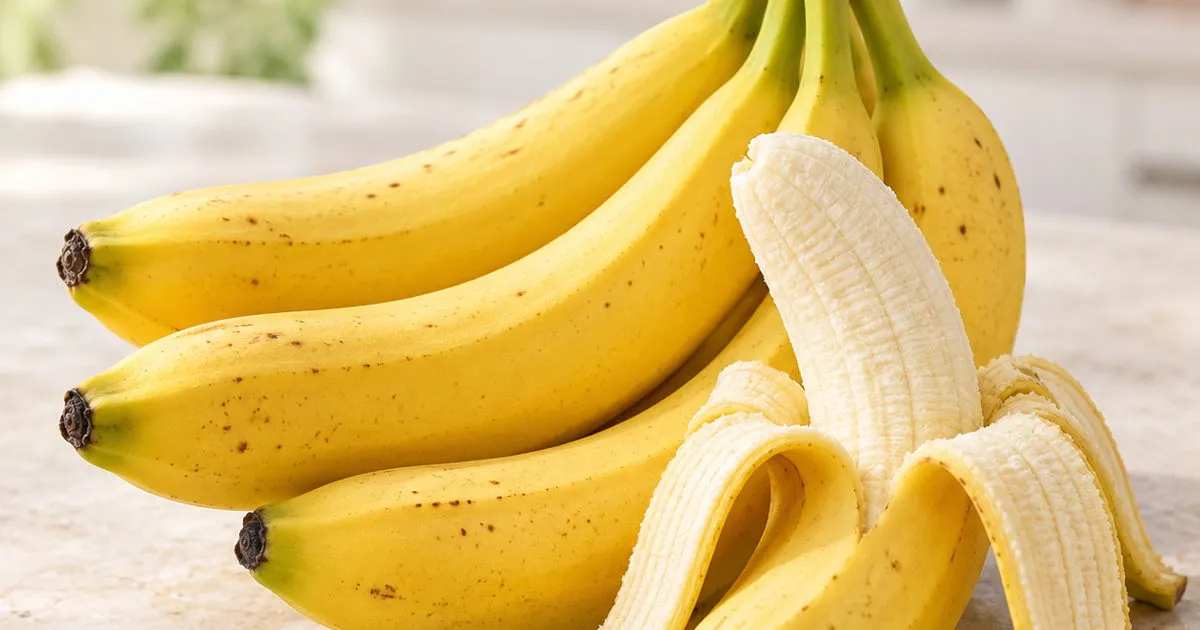
Bananas are soft, naturally sweet fruits with a creamy texture and a peel that changes color as the fruit ripens. Green bananas are firm and starchy, while ripe yellow bananas become softer and sweeter.
Very ripe bananas with brown or black spots have a stronger flavor and softer texture, making them especially useful for banana bread, muffins, pancakes, smoothies, and other baked recipes.
Banana Ripeness Stages
The ripeness of a banana affects its flavor, sweetness, and best culinary uses:
- Green bananas – firm, starchy, and less sweet; commonly used in cooked savory dishes.
- Yellow bananas – firm but sweet, making them suitable for snacks, fruit salads, cereal, and toast.
- Spotted bananas – softer and sweeter, making them ideal for smoothies, pancakes, muffins, and oatmeal.
- Very ripe bananas – extremely soft with a concentrated banana flavor; best for breads, cakes, sauces, and frozen desserts.
How to Use Bananas
Fresh bananas can be sliced over oatmeal, cereal, pancakes, waffles, toast, yogurt, or cottage cheese. They can also be blended into smoothies, milkshakes, sauces, and frozen drinks.
Mashed bananas add moisture and sweetness to muffins, cakes, pancakes, cookies, brownies, and quick breads. Frozen bananas can be blended to create a thick base for smoothies and simple frozen desserts.
How to Bake With Bananas
Use ripe or very ripe bananas for baking because they are easier to mash and provide more sweetness and flavor. Mash them until mostly smooth before combining them with the other ingredients.
Measure the mashed banana when the recipe provides a cup or weight measurement because individual bananas vary in size. Too much banana can make baked goods excessively wet, dense, or heavy.
How to Ripen Bananas Faster
Place bananas in a paper bag and loosely close the top. Adding a ripe apple or another ripe banana can help speed up the natural ripening process.
Keep the bag at room temperature and check the bananas regularly. Do not use a sealed plastic bag because trapped moisture can encourage spoilage.
How to Keep Cut Bananas From Turning Brown
Cut bananas begin browning after their flesh is exposed to oxygen. Lightly coating the pieces with diluted lemon juice can slow the process.
Store cut bananas in a tightly sealed container in the refrigerator and use them promptly. Browning affects appearance but does not always mean the fruit is spoiled.
Banana Substitutes
The best substitute depends on the recipe:
- Use unsweetened applesauce in muffins, cakes, pancakes, and quick breads.
- Use pumpkin puree in baked recipes when a different flavor is acceptable.
- Use mashed avocado when creaminess and moisture are needed without additional sweetness.
- Use Greek yogurt in pancakes, muffins, cakes, smoothies, and selected baked recipes.
- Use mashed sweet potato in breads, muffins, pancakes, and desserts.
- Use frozen mango in smoothies and frozen desserts.
Substitutes may change the sweetness, flavor, moisture, and structure of the finished recipe. Adjust sugar and liquid ingredients when necessary.
How to Freeze Bananas
Peel bananas before freezing and cut them into slices or chunks. Arrange the pieces in a single layer on a lined tray and freeze until firm.
Transfer the frozen banana pieces to a tightly sealed freezer-safe container. Use them in smoothies, banana bread, muffins, pancakes, sauces, and frozen desserts.
How to Store Bananas
Store unripe bananas at room temperature until they reach the desired ripeness. Keep them away from direct sunlight, excessive heat, and moisture.
Ripe bananas can be refrigerated to slow further ripening. The peel may darken in the refrigerator while the fruit inside remains usable.
Refrigerate cut bananas in a clean, tightly sealed container. Discard bananas that develop mold, leaking liquid, a fermented odor, or other clear signs of spoilage.
Frequently Asked Questions
Which bananas are best for banana bread?
Very ripe bananas with heavily spotted or dark peels are ideal because they are soft, sweet, and easy to mash. Do not use bananas that show mold or other signs of spoilage.
Can bananas be frozen?
Yes. Peel and cut them before freezing. Frozen bananas work especially well in smoothies, banana bread, muffins, pancakes, and frozen desserts.
Why do bananas turn brown?
Banana peels darken naturally as the fruit ripens. Cut banana flesh also browns when exposed to oxygen. Lemon juice can help slow browning after cutting.
Can mashed banana replace eggs in baking?
Mashed banana can replace eggs in some muffins, pancakes, brownies, and quick breads by adding moisture and binding. It also adds sweetness and banana flavor and may create a denser texture.
Can bananas replace oil in baking?
Mashed banana can replace some or all of the oil in selected cakes, muffins, brownies, and quick breads. The result may be sweeter, softer, and denser than the original recipe.
Are bananas gluten-free?
Plain fresh bananas naturally do not contain gluten. Banana breads, smoothies, desserts, dried banana snacks, and flavored products may contain additional ingredients, so check them carefully when gluten must be strictly avoided.