Cheddar Cheese
Cheddar cheese is a popular and versatile cheese known for its creamy texture and rich flavor, which can range from mild to extra sharp. It is widely used in sandwiches, burgers, casseroles, soups, pasta, sauces, dips, and baked dishes. Cheddar cheese pairs especially well with eggs, pasta, and potatoes. Explore easy recipes with cheddar cheese and discover delicious ideas for breakfast, lunch, dinner, appetizers, side dishes, and homemade comfort food.
Best Cheddar Cheese Recipes
Read more about cheddar cheese
What Is Cheddar Cheese?
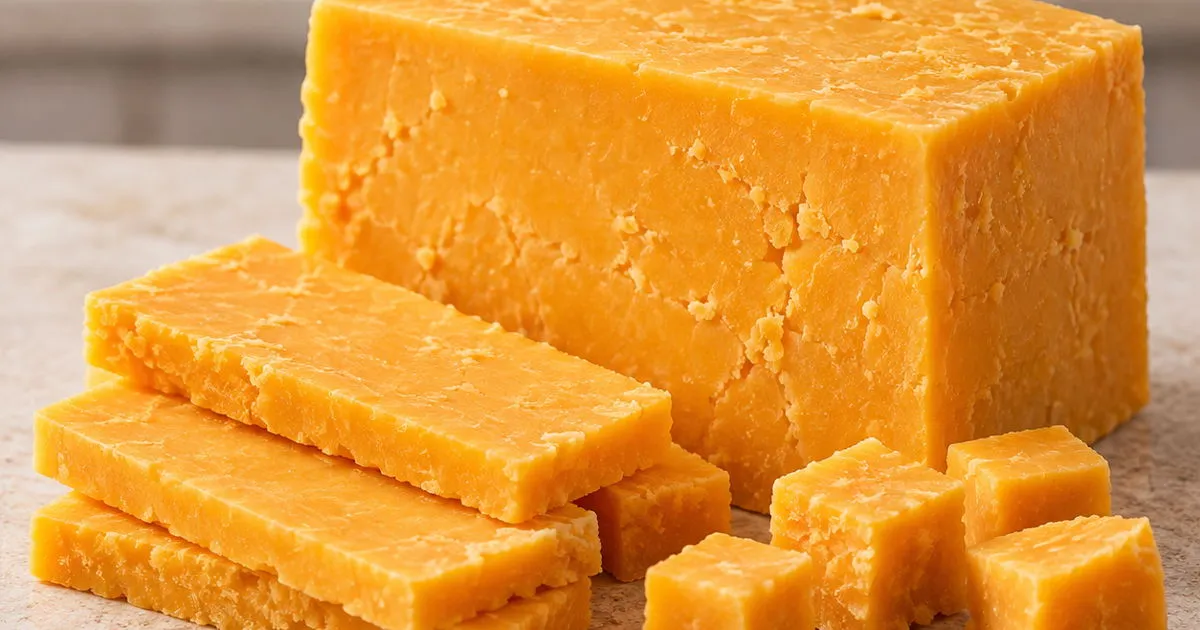
Cheddar is a firm cow’s-milk cheese that originated in the English village of Cheddar. It is now produced in many countries and is one of the most widely used cheeses in home cooking.
Its flavor and texture depend largely on how long it has been aged. Young cheddar is usually smooth, moist, and mild, while aged cheddar becomes firmer, more crumbly, and sharper in flavor.
Types of Cheddar Cheese
Cheddar is commonly classified according to its aging time and flavor intensity:
- Mild cheddar – smooth, creamy, and gently flavored; ideal for sandwiches, omelets, and family-friendly meals.
- Medium cheddar – slightly sharper while still melting smoothly in cooked dishes.
- Sharp cheddar – aged longer for a stronger, tangier flavor that works well in sauces, casseroles, and soups.
- Extra-sharp cheddar – firm and intensely flavored; excellent for cheese boards and recipes that need a bold cheddar taste.
- White cheddar – cheddar made without orange coloring; its flavor depends on aging rather than color.
How to Use Cheddar Cheese
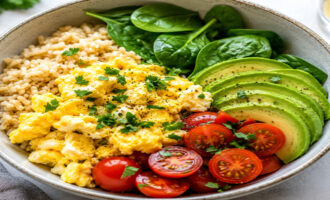
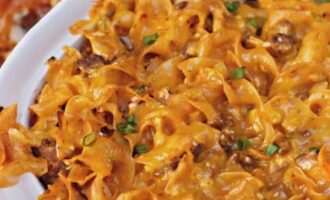
Cheddar cheese can be sliced for sandwiches and burgers, shredded over tacos and baked potatoes, stirred into scrambled eggs, or melted into soups, sauces, and casseroles. It is also a classic choice for macaroni and cheese, grilled cheese sandwiches, quesadillas, dips, biscuits, and savory breads.
For more even melting, shred cheddar from a block shortly before cooking. Add it gradually over low heat when preparing sauces. Excessive heat can cause the cheese to separate and develop an oily or grainy texture.
Does Cheddar Cheese Melt Well?
Young and medium cheddar generally melt more smoothly because they contain more moisture. Sharp and extra-sharp cheddar provide stronger flavor but may become slightly oily or less smooth when melted.
For a creamy cheese sauce, combine sharp cheddar with a younger melting cheese or add it to a warm mixture made with butter, flour, and milk. Remove the sauce from high heat before gradually stirring in the shredded cheese.
Cheddar Cheese Substitutes
If cheddar cheese is unavailable, choose a substitute according to the recipe:
- Use Colby for a mild flavor and similar texture.
- Use Monterey Jack when smooth melting is more important than sharp flavor.
- Use Gouda for a creamy texture and slightly sweet, rich flavor.
- Use Gruyère for casseroles, sauces, and baked dishes that need excellent melting.
- Use a suitable plant-based cheddar alternative when preparing a dairy-free dish.
Substitutes can differ in saltiness, moisture, and melting behavior. Taste the dish before adding extra salt and adjust the amount of cheese as needed.
How to Store Cheddar Cheese
Keep cheddar cheese refrigerated and follow the storage instructions printed on its package. After opening, wrap the block in cheese paper, parchment paper, or wax paper before placing it in a food-safe container or storage bag. This helps protect the cheese from drying out and absorbing odors from nearby foods.
Store shredded cheddar in a tightly sealed container and use clean utensils when handling it. Discard the cheese if it develops an unusual odor, slimy texture, widespread mold, or other signs of spoilage.
Cheddar can be frozen, but its texture may become drier and more crumbly after thawing. Previously frozen cheddar is usually best for soups, sauces, casseroles, and other cooked recipes.
Frequently Asked Questions
What is the difference between mild and sharp cheddar?
The main difference is aging. Mild cheddar is aged for less time and has a smooth, gentle flavor. Sharp cheddar is aged longer, giving it a stronger taste and a firmer, sometimes more crumbly texture.
Is white cheddar different from orange cheddar?
The main difference is color. Orange cheddar usually contains annatto or another coloring ingredient, while white cheddar does not. Aging and production methods have a greater effect on flavor than color.
Which cheddar is best for melting?
Mild and medium cheddar generally melt most smoothly because they contain more moisture. Sharp cheddar offers stronger flavor but may separate more easily if heated too quickly.
Why does cheddar cheese become oily when melted?
Cheddar can release oil when exposed to excessive heat or cooked for too long. Aged cheddar is especially likely to separate. Melt it slowly over low heat and add it gradually to warm dishes.
Can cheddar cheese be frozen?
Yes. Cheddar can be frozen, although it may become more crumbly after thawing. For convenient cooking, shred or portion it before freezing and use it later in sauces, soups, casseroles, or baked dishes.
Is cheddar cheese gluten-free?
Many plain cheddar cheeses do not contain gluten ingredients. However, flavored, processed, or pre-shredded products may contain additives or be exposed to cross-contact. Check the package for a certified gluten-free label if gluten must be strictly avoided.