Chocolate Recipes
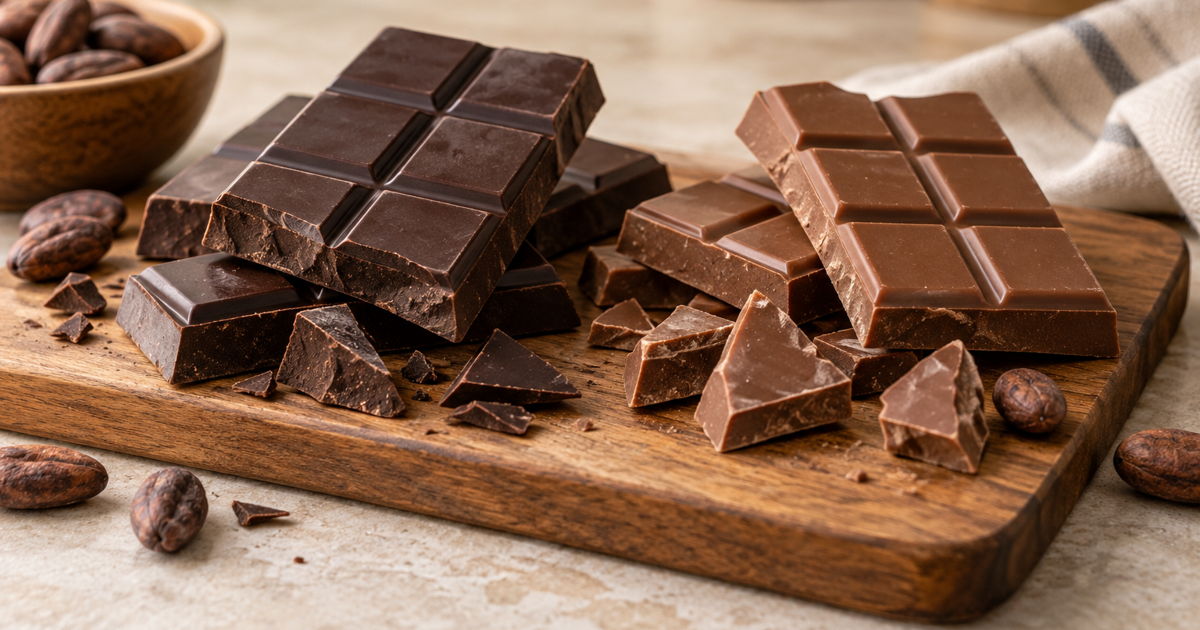
Chocolate is a rich and versatile ingredient used in cakes, cookies, brownies, candies, drinks, and countless homemade desserts. It is available in several varieties, including dark chocolate, milk chocolate, and white chocolate. Chocolate pairs especially well with berries, bananas, nuts, caramel, coffee, and vanilla extract. Explore easy chocolate recipes and discover delicious ideas for baking, desserts, snacks, drinks, and special occasions.
Best Chocolate Recipes
Read more about Chocolate
What Is Chocolate?
Chocolate is made from cacao beans that are fermented, dried, roasted, and processed into cocoa solids and cocoa butter. These ingredients are combined in different proportions with sugar, milk, and flavorings to produce several types of chocolate.
Chocolate can be melted, chopped, grated, or added directly to recipes as chips or chunks. It is one of the most popular ingredients for cakes, cookies, brownies, candies, sauces, frostings, and homemade desserts.
Types of Chocolate
The flavor, sweetness, and texture of chocolate depend on the amount of cocoa solids, cocoa butter, sugar, and milk it contains. Choosing the correct type can make an important difference in a recipe.
Dark Chocolate
Dark chocolate contains cocoa solids, cocoa butter, and sugar but usually little or no milk. It has a rich, intense flavor and works well in brownies, cookies, cakes, ganache, and chocolate sauces.
Milk Chocolate
Milk chocolate contains milk ingredients and more sugar, giving it a sweeter flavor and creamier texture. It is often used in candy, cookies, desserts, and decorative toppings.
White Chocolate
White chocolate is made primarily with cocoa butter, sugar, and milk solids. It does not contain cocoa solids, so it has a sweet, creamy flavor without the deep color and taste of dark or milk chocolate.
Unsweetened Chocolate
Unsweetened baking chocolate contains cocoa solids and cocoa butter without added sugar. It has a strong, bitter flavor and is generally used in recipes that include a separate sweetener.
Chocolate vs. Cocoa Powder
Chocolate contains cocoa solids and cocoa butter, while cocoa powder is produced after much of the cocoa butter has been removed. This gives cocoa powder a dry, concentrated texture that blends easily into batters and drinks.
Melted chocolate adds flavor, fat, and moisture to a recipe. Cocoa powder provides concentrated chocolate flavor without adding the same amount of fat. They should not always be substituted for each other without adjusting the other ingredients.
How to Use Chocolate in Recipes
Chocolate can be used in cookies, cakes, muffins, brownies, pancakes, pies, cheesecakes, frostings, sauces, and homemade candy. Chocolate chips and chunks can be mixed into dough or batter, while melted chocolate works well in ganache, glazes, fillings, and dips.
Chocolate pairs especially well with strawberries, raspberries, cherries, bananas, oranges, coconut, peanut butter, almonds, hazelnuts, caramel, coffee, and vanilla extract.
How to Melt Chocolate
Chocolate can be melted in a microwave or with a double boiler. When using a microwave, heat it in short intervals and stir between each interval. With a double boiler, place the chocolate in a dry heat-safe bowl over gently simmering water.
Avoid overheating chocolate or allowing water to enter the bowl. Excessive heat can make it thick or grainy, while even a small amount of water may cause melted chocolate to seize.
How to Store Chocolate
Store chocolate in a cool, dry place away from direct sunlight, heat, moisture, and strong odors. Keep it tightly wrapped or inside an airtight container to preserve its flavor and texture.
A pale coating can sometimes develop on stored chocolate because of changes in fat or sugar. This is known as chocolate bloom. Bloomed chocolate is often still suitable for baking, although its appearance and texture may be affected.
Frequently Asked Questions
What is the best chocolate for baking?
The best choice depends on the recipe. Dark or semisweet chocolate works well in brownies and rich cakes, milk chocolate provides extra sweetness, and unsweetened chocolate is suitable for recipes containing a separate sweetener.
Can chocolate chips be used instead of baking chocolate?
Sometimes, but chocolate chips are formulated to hold their shape and may not melt as smoothly as baking bars. Use the type of chocolate recommended by the recipe whenever possible.
Why did my melted chocolate become thick?
Chocolate may become thick if it is overheated or comes into contact with water. Melt it slowly, stir frequently, and make sure all utensils are completely dry.