Beans & Legumes
Beans and legumes are versatile plant-based ingredients used in cuisines around the world. This group includes foods such as chickpeas, lentils, black beans, kidney beans, pinto beans, peas, and other pulses.
They are commonly used in soups, stews, salads, tacos, curries, grain bowls, dips, and side dishes. Beans and legumes are especially valued for their combination of plant-based protein, dietary fiber, carbohydrates, and naturally occurring vitamins and minerals.
What Are Beans and Legumes?
Legumes are plants in the Fabaceae family, while beans are one type of legume. The term legumes includes beans, lentils, peas, chickpeas, peanuts, and other related foods.
In cooking, beans and legumes are used in fresh, dried, frozen, and canned forms. Dried beans and lentils are useful pantry staples, while canned varieties provide a convenient option for quick everyday meals.
Types of Beans and Legumes
- Black beans: mild, earthy beans commonly used in tacos, burritos, soups, salads, and grain bowls.
- Kidney beans: large red beans commonly used in chili, stews, salads, and rice dishes.
- Pinto beans: creamy beans popular in Mexican and Southwestern recipes.
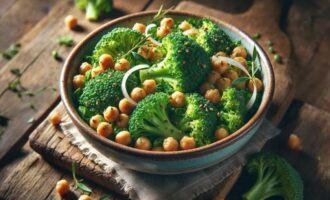
- Chickpeas: also called garbanzo beans, used in hummus, salads, curries, soups, and roasted snacks.
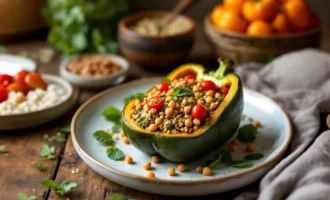
- Lentils: small legumes available in several colors and widely used in soups, stews, curries, and salads.
- White beans: mild beans commonly used in soups, casseroles, dips, and Mediterranean-style dishes.
- Peas: legumes that can be used fresh, frozen, dried, or split depending on the variety.
Beans vs Legumes
Beans and legumes are related, but the terms are not identical. Legume refers to the broader plant family and its edible seeds or pods, while beans are a specific group within that family.
For example, black beans and kidney beans are both legumes, while lentils and peas are legumes that are not usually described as beans.
Beans and Legumes Nutrition
Beans and legumes generally provide carbohydrates, dietary fiber, and plant-based protein. Many varieties also contain nutrients such as folate, iron, potassium, magnesium, phosphorus, and other vitamins and minerals.
The exact nutrition profile varies by type. Lentils, chickpeas, black beans, kidney beans, and peas contain different amounts of protein, fiber, carbohydrates, and micronutrients, so individual ingredient pages or nutrition labels are the best source when precise values are needed.
How to Use Beans and Legumes
- Soups: add beans or lentils for texture, protein, and body.
- Stews: use kidney beans, chickpeas, lentils, or white beans in hearty meals.
- Salads: combine cooked beans with vegetables, grains, herbs, and dressings.
- Tacos and burritos: use black beans or pinto beans as a filling or side.
- Curries: chickpeas and lentils work especially well with aromatic spices and sauces.
- Grain bowls: pair beans with rice, quinoa, vegetables, herbs, and sauces.
- Dips: blend chickpeas, white beans, or black beans into creamy dips.
- Side dishes: season beans with herbs, spices, olive oil, garlic, or vegetables.
Dried Beans vs Canned Beans
Dried beans and canned beans can both be useful depending on the recipe and available preparation time. Dried beans require longer cooking and sometimes soaking, but they provide greater control over texture and seasoning.
Canned beans are already cooked and convenient for quick meals. Draining and rinsing canned beans can remove some of the canning liquid and may reduce some of the sodium in products packed with added salt.
How to Cook Dried Beans
Dried beans should be sorted and rinsed before cooking. Some varieties benefit from soaking, while others can be cooked without soaking if additional cooking time is allowed.
- Sort through the dried beans and remove debris or damaged beans.
- Rinse thoroughly under cool running water.
- Soak if recommended for the bean variety or cooking method.
- Drain if soaked and cover the beans with fresh water.
- Bring to a boil, then reduce the heat to a gentle simmer.
- Cook until tender, adding additional water when necessary.
- Season according to the recipe.
How to Store Beans and Legumes
- Dried beans and lentils: store in airtight containers in a cool, dry pantry.
- Keep dried legumes away from moisture, direct sunlight, and excessive heat.
- Cooked beans: refrigerate promptly in covered airtight containers.
- Opened canned beans: transfer leftovers to a separate covered container and refrigerate.
- Follow package guidance for best-by dates and recommended storage periods.
Popular Flavor Pairings
Beans and legumes pair well with a wide range of vegetables, grains, herbs, spices, and acidic ingredients. Their relatively mild flavors make them easy to use across many different cuisines.
- Garlic
- Onion
- Tomatoes
- Bell peppers
- Cumin
- Chili powder
- Paprika
- Cilantro
- Parsley
- Lemon
- Lime
- Rice
- Quinoa
- Olive oil
Popular Beans and Legumes
Explore individual beans and legumes to learn more about their flavor, nutrition, cooking methods, storage, and recipe ideas.
- Black Beans
- Kidney Beans
- Pinto Beans
- Chickpeas
- Lentils
- White Beans
- Green Peas
- Split Peas
Recipes with Beans and Legumes
Browse recipes with beans and legumes, including soups, stews, salads, tacos, curries, dips, grain bowls, and easy vegetarian meals. These versatile pantry staples work well in traditional dishes, plant-based recipes, and quick everyday meals.