Greek Yogurt
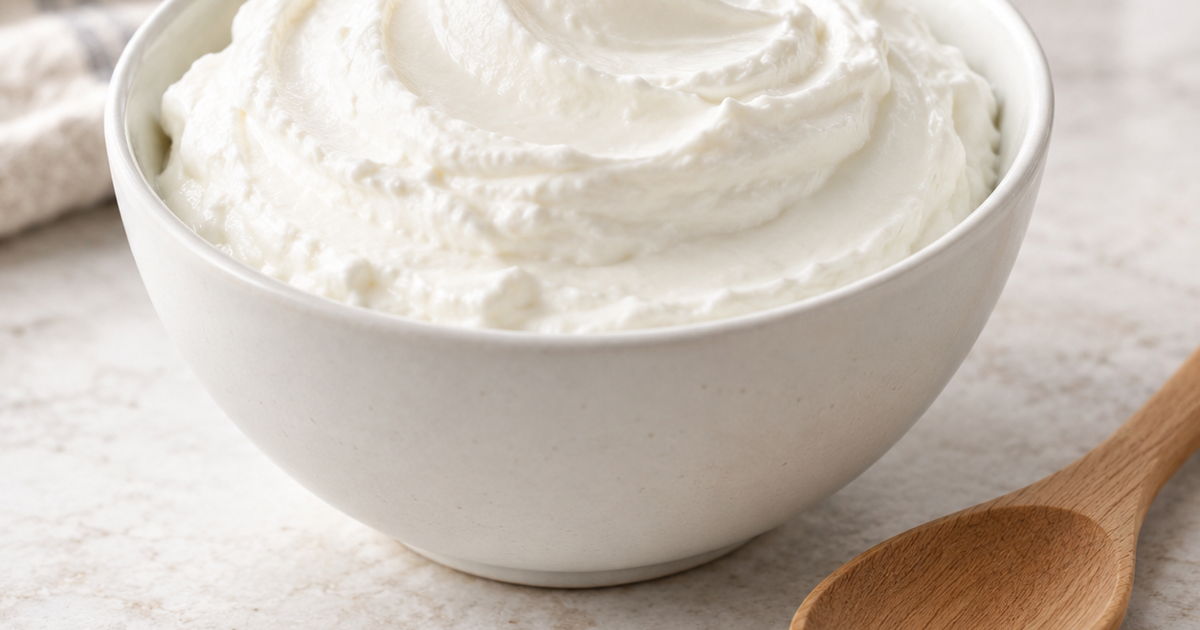
Greek yogurt is a thick, creamy dairy ingredient with a pleasantly tangy flavor. It is widely used in breakfast bowls, smoothies, dips, sauces, marinades, dressings, desserts, and baked recipes. Greek yogurt pairs especially well with lemon juice, garlic, and eggs. Explore easy recipes with Greek yogurt and discover delicious ideas for breakfast, lunch, dinner, snacks, sauces, and homemade desserts.
Best Greek Yogurt Recipes
Read more about Greek yogurt
What Is Greek Yogurt?
Greek yogurt is yogurt that has been strained to remove some of its liquid whey. This process creates a thicker, creamier texture and more concentrated flavor than conventional unstrained yogurt.
It is available in plain and flavored varieties with different fat levels. Plain Greek yogurt is especially versatile because it can be used in both sweet and savory recipes.
Greek Yogurt vs. Regular Yogurt
Greek yogurt is generally thicker and less watery than regular yogurt because more whey is removed during straining. It also has a more concentrated, tangy flavor.
Regular yogurt is usually smoother and more pourable. The two can sometimes be used interchangeably, but their different moisture levels may affect the consistency of dips, sauces, baked goods, and desserts.
Types of Greek Yogurt
Several varieties of Greek yogurt are commonly available:
- Whole-milk Greek yogurt – rich and creamy, making it suitable for dips, sauces, desserts, and baking.
- Low-fat Greek yogurt – lighter but still thick enough for breakfast bowls, smoothies, and many recipes.
- Nonfat Greek yogurt – contains little or no fat and may taste more tangy or feel less creamy.
- Plain Greek yogurt – versatile for sweet and savory dishes without added flavors or sweeteners.
- Flavored Greek yogurt – prepared with fruit, vanilla, sweeteners, or other ingredients and best suited to breakfasts and snacks.
How to Use Greek Yogurt
Greek yogurt can be served with fruit, berries, granola, nuts, honey, or cinnamon. It can also be blended into smoothies, mixed into overnight oats, spooned over pancakes, or used as a creamy base for desserts.
For savory dishes, combine Greek yogurt with garlic, lemon juice, herbs, cucumber, black pepper, or olive oil. It works well in dips, salad dressings, marinades, sauces, soups, and spreads.
How to Cook With Greek Yogurt
Greek yogurt can add moisture and a mild tangy flavor to muffins, cakes, pancakes, breads, and other baked recipes. It can also add creaminess to soups and sauces without requiring heavy cream.
Use low heat when adding Greek yogurt to a warm dish. To reduce the chance of curdling, bring it closer to room temperature and gradually mix in a small amount of the hot liquid before stirring it into the recipe. Avoid rapidly boiling the dish after adding the yogurt.
Greek Yogurt Substitutes
The best substitute depends on the recipe:
- Use plain regular yogurt for smoothies, marinades, dressings, and baked recipes.
- Use sour cream in dips, sauces, casseroles, and baking.
- Use cottage cheese blended until smooth for dips, breakfast bowls, and savory mixtures.
- Use cream cheese for richer dips, spreads, fillings, and desserts.
- Use buttermilk in marinades and selected baked recipes when a thinner consistency is acceptable.
- Use an unsweetened plant-based Greek-style yogurt for dairy-free recipes.
Substitutes differ in thickness, acidity, fat content, and moisture. Adjust the liquid ingredients when necessary to maintain the intended consistency.
How to Make Greek Yogurt Taste Better
For a sweet option, mix plain Greek yogurt with fruit, berries, honey, maple syrup, vanilla extract, cinnamon, nuts, or granola. Begin with a small amount of sweetener and adjust it to taste.
For a savory option, add garlic, lemon juice, salt, black pepper, parsley, dill, or other herbs. Greek yogurt can also be mixed with avocado or roasted vegetables to make a creamy dip or spread.
How to Store Greek Yogurt
Keep Greek yogurt refrigerated in its original container or transfer it to a clean, tightly sealed food-safe container. Use a clean spoon each time and return it to the refrigerator promptly after serving.
Some liquid separation is normal. The liquid is whey and can usually be stirred back into the yogurt. Discard the product if it develops mold, unusual discoloration, a strongly unpleasant odor, or other signs of spoilage.
Greek yogurt can be frozen, but thawing may make its texture grainy or separated. Previously frozen yogurt is usually best used in smoothies, sauces, marinades, and baked recipes.
Frequently Asked Questions
Why is Greek yogurt thicker than regular yogurt?
Greek yogurt is strained to remove more liquid whey. This process creates a thicker texture and more concentrated flavor than conventional yogurt.
Can Greek yogurt replace sour cream?
Yes. Plain Greek yogurt can replace sour cream in many dips, sauces, dressings, baked potatoes, tacos, and baked recipes. Whole-milk Greek yogurt generally provides the richest and creamiest result.
Can Greek yogurt be used in baking?
Yes. Greek yogurt adds moisture and a slightly tangy flavor to cakes, muffins, pancakes, breads, and other baked goods. Because it is thick, other liquids may need to be adjusted when making a substitution.
Why did Greek yogurt curdle while cooking?
Greek yogurt can curdle when exposed to high heat or sudden temperature changes. Use gentle heat, warm it gradually with a small amount of the hot liquid, and avoid boiling the dish after adding it.
Can Greek yogurt be frozen?
Yes, but its texture may become grainy or watery after thawing. Stir it thoroughly and use it in smoothies, marinades, sauces, or baked dishes where the texture change will be less noticeable.
Is Greek yogurt gluten-free?
Many plain Greek yogurt products do not contain gluten ingredients. However, flavored varieties, toppings, and additives can differ. Check the package for a certified gluten-free label if gluten must be strictly avoided.