Cream Cheese
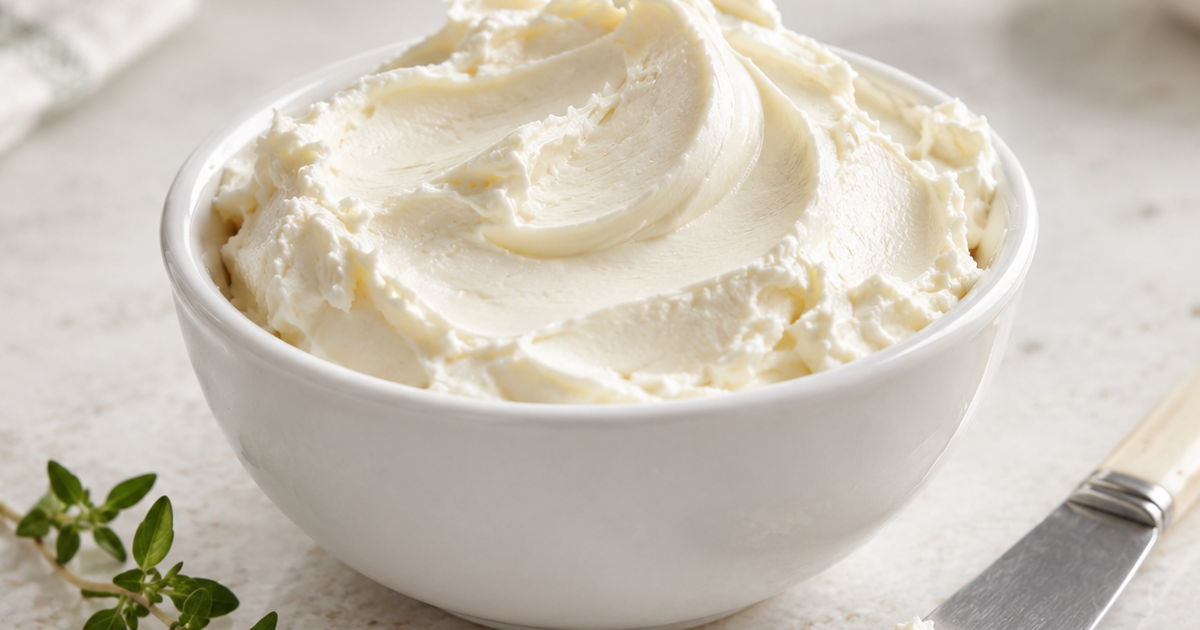
Cream cheese is a soft, smooth cheese with a mild flavor and rich, creamy texture. It is widely used in cheesecakes, frostings, dips, spreads, sauces, appetizers, pasta dishes, and baked recipes. Cream cheese pairs especially well with vanilla extract, butter, and garlic. Explore easy recipes with cream cheese and discover delicious ideas for breakfast, appetizers, desserts, dips, sauces, and homemade comfort food.
Best Cream Cheese Recipes
Read more about cream cheese
What Is Cream Cheese?
Cream cheese is a soft, fresh cheese traditionally made from milk and cream. It has a smooth consistency, mild tangy flavor, and high moisture content. Unlike many firm cheeses, cream cheese is not aged and is intended to be enjoyed fresh.
It can be spread directly on bread and bagels or mixed into sweet and savory recipes. Regular, whipped, flavored, and reduced-fat varieties are widely available.
Types of Cream Cheese
Several types of cream cheese can be used in home cooking:
- Block cream cheese – firm and dense, making it the best choice for many cheesecakes, frostings, and baked recipes.
- Spreadable cream cheese – softer and easier to spread on bagels, toast, crackers, and sandwiches.
- Whipped cream cheese – light and airy because additional air is incorporated during processing.
- Reduced-fat cream cheese – contains less fat but may produce a softer or less creamy texture in some recipes.
- Flavored cream cheese – prepared with ingredients such as herbs, vegetables, fruit, honey, or spices.
How to Use Cream Cheese
Cream cheese can be spread on bagels, toast, crackers, and sandwiches. It is also commonly used in cheesecakes, frostings, cookies, pastries, dips, stuffed appetizers, pasta sauces, soups, and casseroles.
For sweet recipes, combine it with sugar, fruit, chocolate, lemon juice, or vanilla extract. For savory dishes, mix it with garlic, herbs, onions, vegetables, seafood, or shredded cheese.
How to Soften Cream Cheese
For easier mixing, remove the cream cheese from the refrigerator, unwrap it, and cut it into small cubes. Place the cubes on a clean plate and allow them to soften briefly at room temperature before using.
To soften it more quickly, place the unwrapped cream cheese on a microwave-safe plate and heat it in very short intervals at low power. Check it frequently so that it softens without melting.
Do not leave cream cheese at room temperature longer than necessary. Return unused portions to the refrigerator promptly.
How to Prevent Lumps in Cream Cheese
Use properly softened cream cheese when making cheesecake batter, frosting, dips, or sauces. Beat it until smooth before adding other ingredients. Add liquids gradually and scrape the sides of the bowl frequently.
Cold cream cheese does not combine easily and may leave small lumps. Ingredients that are at similar temperatures usually blend together more smoothly.
Cream Cheese Substitutes
The best substitute depends on the recipe:
- Use Neufchâtel cheese for a similar flavor and slightly lighter texture.
- Use mascarpone for desserts, frostings, fillings, and creamy sauces.
- Use ricotta blended until smooth for dips, fillings, pasta dishes, and some baked recipes.
- Use cottage cheese blended until smooth for dips, spreads, and savory dishes.
- Use thick Greek yogurt for dips and sauces when a tangier, lighter result is acceptable.
- Use a suitable dairy-free cream cheese alternative for plant-based recipes.
Substitutes vary in moisture, fat content, and consistency. They may not produce the same results in cheesecakes, frostings, and other recipes that depend on the structure of block cream cheese.
How to Store Cream Cheese
Keep cream cheese refrigerated in its original package or place it in a tightly sealed food-safe container after opening. Use clean utensils to prevent contamination and return it to the refrigerator promptly after serving.
Discard cream cheese if it develops mold, unusual discoloration, an unpleasant odor, or a slimy texture. Follow the package instructions and use-by guidance for the specific product.
Cream cheese can be frozen, but thawing may make its texture grainy or crumbly. Previously frozen cream cheese is generally best used in sauces, soups, casseroles, and baked dishes.
Frequently Asked Questions
Is cream cheese the same as regular cheese?
Cream cheese is a type of fresh cheese made with milk and cream. Unlike cheddar, Parmesan, and many other cheeses, it is not aged and has a soft, spreadable texture.
Which cream cheese is best for cheesecake?
Full-fat block cream cheese is usually the best choice because it provides a firm, rich, and consistent texture. Spreadable or whipped products may contain additional moisture and can produce softer results.
Can cream cheese be used in savory recipes?
Yes. Cream cheese works well in dips, spreads, pasta sauces, soups, casseroles, stuffed chicken, appetizers, and mashed potatoes. Its mild flavor combines easily with herbs, garlic, vegetables, and spices.
Can cream cheese be frozen?
Yes, but freezing can change its texture and make it grainy after thawing. Frozen cream cheese is usually better for cooking and baking than for spreading directly on bread or bagels.
Why is my cream cheese frosting runny?
Cream cheese frosting may become runny if the cream cheese is too warm, a spreadable variety is used, or the mixture is beaten for too long. Use cool full-fat block cream cheese and avoid adding excess liquid.
Is cream cheese gluten-free?
Many plain cream cheese products do not contain gluten ingredients. However, flavored varieties, spreads, and manufacturing practices can differ. Check the package for a certified gluten-free label if gluten must be strictly avoided.