Cottage Cheese
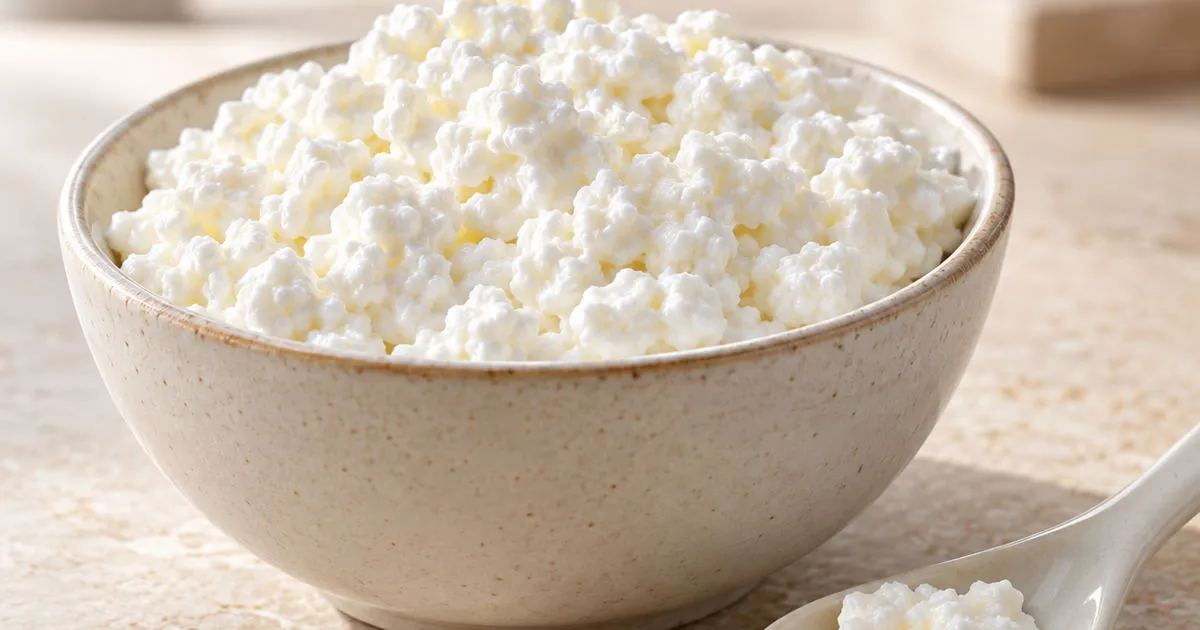
Cottage cheese is a fresh, creamy cheese with soft curds, a mild flavor, and a slightly tangy taste. It is widely used in breakfast bowls, salads, dips, pancakes, casseroles, pasta dishes, and high-protein snacks. Cottage cheese pairs especially well with eggs, avocado, and tomatoes. Explore easy recipes with cottage cheese and discover delicious ideas for breakfast, lunch, dinner, snacks, appetizers, and homemade desserts.
Best Cottage Cheese Recipes
Read more about cottage cheese
What Is Cottage Cheese?
Cottage cheese is a fresh cheese made from milk curds. Unlike many firm cheeses, it is not aged, which gives it a mild flavor, soft texture, and high moisture content. The curds are usually rinsed and mixed with a creamy dressing before packaging.
Cottage cheese is available with different curd sizes and milk-fat levels. It can be eaten on its own or blended, baked, stirred, and added to both sweet and savory recipes.
Types of Cottage Cheese
Several varieties of cottage cheese are commonly available:
- Small-curd cottage cheese – has smaller, softer curds and a creamy consistency.
- Large-curd cottage cheese – contains larger, more noticeable curds with a slightly firmer texture.
- Full-fat cottage cheese – rich and creamy, making it suitable for dips, sauces, and desserts.
- Low-fat cottage cheese – lighter in texture while remaining useful for breakfast bowls and savory dishes.
- Whipped cottage cheese – blended until smooth for use as a spread, dip, or creamy recipe ingredient.
How to Use Cottage Cheese
Cottage cheese can be served with fresh fruit, berries, honey, nuts, vegetables, or herbs. It can also be added to scrambled eggs, pancakes, smoothies, salads, toast, baked potatoes, casseroles, and pasta dishes.
For a smooth texture, blend cottage cheese in a food processor or blender. Blended cottage cheese works well in dips, salad dressings, sauces, spreads, desserts, and creamy fillings.
Sweet and Savory Cottage Cheese Ideas
For a sweet breakfast or snack, combine cottage cheese with berries, peaches, pineapple, apples, cinnamon, honey, or granola. It can also be blended into pancakes, muffins, cheesecakes, and other homemade treats.
For a savory dish, combine it with tomatoes, cucumbers, avocado, black pepper, herbs, eggs, or roasted vegetables. Cottage cheese can also be used in lasagna, stuffed pasta, casseroles, and creamy dips.
Cottage Cheese Substitutes
The best cottage cheese substitute depends on the recipe:
- Use ricotta for lasagna, stuffed pasta, casseroles, pancakes, and baked dishes.
- Use Greek yogurt for breakfast bowls, dips, dressings, and creamy mixtures.
- Use cream cheese for spreads, desserts, fillings, and richer dips.
- Use mascarpone when a smooth, rich texture is more important than the curds.
- Use a suitable dairy-free cottage cheese alternative for plant-based recipes.
Substitutes vary in moisture, acidity, saltiness, and fat content. Drain excess liquid or adjust the other ingredients when necessary to maintain the desired consistency.
How to Make Cottage Cheese Smooth
Place cottage cheese in a food processor or blender and process until it reaches the desired consistency. If the mixture is too thick, add a small amount of milk or another liquid used in the recipe.
For savory recipes, blend it with herbs, garlic, lemon juice, or black pepper. For sweet recipes, add fruit, vanilla extract, cinnamon, or a small amount of honey.
How to Store Cottage Cheese
Keep cottage cheese refrigerated in its original container or transfer it to a clean, tightly sealed food-safe container. Use a clean spoon each time to reduce the risk of contamination, and return the container to the refrigerator promptly after serving.
Some liquid separation is normal and can usually be corrected by stirring. Discard cottage cheese if it develops an unpleasant odor, unusual discoloration, mold, or a texture that appears excessively slimy or spoiled.
Freezing is possible, but it can make the curds grainy and watery after thawing. Previously frozen cottage cheese is generally better suited to casseroles, pancakes, sauces, and other cooked recipes.
Frequently Asked Questions
Can cottage cheese be eaten without cooking?
Yes. Cottage cheese is ready to eat directly from the container. It can be served with fruit, vegetables, herbs, toast, crackers, nuts, or other toppings.
Can you blend cottage cheese?
Yes. Blending cottage cheese creates a smooth and creamy texture that works well in dips, sauces, spreads, salad dressings, desserts, and pasta dishes.
Can cottage cheese be used instead of ricotta?
Yes, cottage cheese can replace ricotta in many lasagna, stuffed pasta, casserole, and baked recipes. Draining or blending it first can help produce a texture closer to ricotta.
Can cottage cheese be frozen?
Cottage cheese can be frozen, but its texture may become grainy or watery after thawing. It is usually best used in cooked dishes rather than eaten plain after freezing.
Why is there liquid in cottage cheese?
Cottage cheese naturally contains moisture, and some liquid may separate during storage. Stirring usually restores its consistency. Discard it if the liquid is accompanied by mold, unusual discoloration, or an unpleasant odor.
Is cottage cheese gluten-free?
Many plain cottage cheese products do not contain gluten ingredients. However, flavored varieties and manufacturing practices can differ. Check the package for a certified gluten-free label if gluten must be strictly avoided.