Heavy Cream
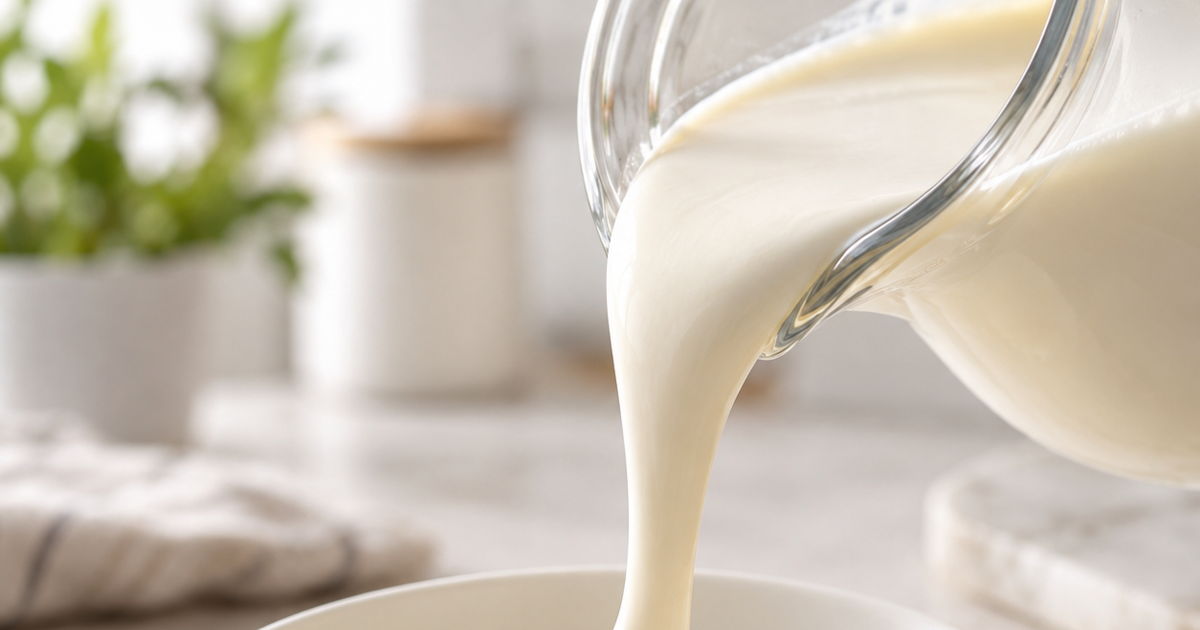
Heavy cream is a rich dairy ingredient that adds a smooth texture and full flavor to sweet and savory recipes. It is widely used in whipped cream, pasta sauces, soups, desserts, cakes, custards, casseroles, and baked dishes. Heavy cream works especially well with butter, milk, and vanilla extract. Explore easy recipes with heavy cream and discover delicious ideas for dinner, desserts, sauces, soups, baking, and homemade treats.
Best Heavy Cream Recipes
Read more about heavy cream
What Is Heavy Cream?
Heavy cream is the high-fat portion of milk separated during dairy processing. In the United States, products labeled heavy cream or heavy whipping cream contain at least 36% milk fat.
Its high fat content gives it a rich taste, thick consistency, and ability to hold its shape when whipped. It is also more resistant to curdling than lower-fat dairy products when used correctly in warm sauces and soups.
Heavy Cream vs. Heavy Whipping Cream
Heavy cream and heavy whipping cream are generally the same type of product in the United States. Both contain at least 36% milk fat and can be used interchangeably in most recipes.
Whipping cream may contain slightly less fat than heavy cream. It can still be whipped, but it may produce a lighter topping that does not hold its shape for as long.
How to Use Heavy Cream
Heavy cream can be whipped for desserts, stirred into pasta sauces, added to soups, poured into coffee, or used to make custards, ice cream, ganache, and creamy fillings. It also adds moisture and richness to cakes, biscuits, scones, casseroles, and mashed potatoes.
For savory recipes, heavy cream pairs well with garlic, Parmesan cheese, mushrooms, chicken, pasta, potatoes, and herbs. For desserts, combine it with chocolate, berries, vanilla extract, caramel, or fruit.
How to Make Whipped Cream
For the best results, keep the heavy cream cold and chill the mixing bowl and beaters before beginning.
- Pour the cold heavy cream into a chilled mixing bowl.
- Beat at medium speed until the cream begins to thicken.
- Add sugar and vanilla extract if desired.
- Continue beating until soft or firm peaks form.
Stop mixing when the whipped cream reaches the desired consistency. Overmixing can make it grainy and eventually separate into butter and liquid.
How to Cook With Heavy Cream
Heavy cream can thicken sauces and soups while adding a smooth, rich texture. Add it gradually and cook over low or medium heat. Avoid prolonged, rapid boiling, which can cause the sauce to reduce too much or separate.
When adding heavy cream to a very hot or acidic mixture, warm it gradually by stirring a small amount of the hot liquid into the cream first. Then slowly add the warmed cream to the recipe.
Heavy Cream Substitutes
The best substitute depends on the recipe:
- Use whipping cream as a direct substitute in most recipes.
- Use half-and-half in soups and sauces for a lighter, thinner result.
- Use whole milk mixed with melted butter in selected sauces, casseroles, and baked recipes.
- Use evaporated milk in soups, sauces, and desserts that do not require whipping.
- Use coconut cream in desserts, curries, and recipes where coconut flavor is suitable.
- Use an unsweetened plant-based cooking cream for dairy-free dishes.
Lower-fat substitutes will not provide the same richness and may not thicken or whip like heavy cream. If the recipe requires stable whipped cream, use heavy cream, heavy whipping cream, or an appropriate whipping alternative.
How to Thicken Heavy Cream Sauce
Simmer the sauce gently to allow some of the liquid to evaporate. You can also add finely grated Parmesan cheese or use a small amount of flour or cornstarch when appropriate for the recipe.
Avoid cooking the sauce over excessively high heat. Stir regularly and remember that cream sauces usually continue to thicken slightly as they cool.
How to Store Heavy Cream
Keep heavy cream refrigerated in its original container and follow the date and storage instructions printed on the package. Close the container securely and store it in the coldest main section of the refrigerator rather than in the door.
Use clean utensils when measuring cream and return it to the refrigerator promptly. Discard it if it develops mold, unusual discoloration, a strongly sour odor, or an unexpected thick and lumpy texture.
Heavy cream can be frozen, but it may separate or become grainy after thawing. Previously frozen heavy cream is generally best used in sauces, soups, casseroles, and baked dishes.
Frequently Asked Questions
Is heavy cream the same as heavy whipping cream?
Yes, in the United States, both names generally refer to cream containing at least 36% milk fat. They can usually be used interchangeably for cooking, baking, and whipping.
Can heavy cream be whipped?
Yes. Its high fat content allows it to whip into a stable topping. Use cold heavy cream and chilled equipment, and stop mixing when it reaches the desired consistency.
Can heavy cream replace milk?
Heavy cream can replace milk in some recipes, but it will make the result richer and thicker. Dilute it with water when a lighter consistency is needed.
Why is my heavy cream not whipping?
Heavy cream may not whip properly if it is too warm, the equipment is warm, or the product does not contain enough milk fat. Chill the cream, bowl, and beaters before trying again.
Can heavy cream be frozen?
Yes. Heavy cream can be frozen, although its texture may separate after thawing. Stir or whisk it thoroughly and use it in cooked or baked recipes.
Is heavy cream gluten-free?
Plain heavy cream generally does not contain gluten ingredients. However, products with flavors, stabilizers, or other additives may vary. Check the package for a certified gluten-free label if gluten must be strictly avoided.