Parmesan Cheese
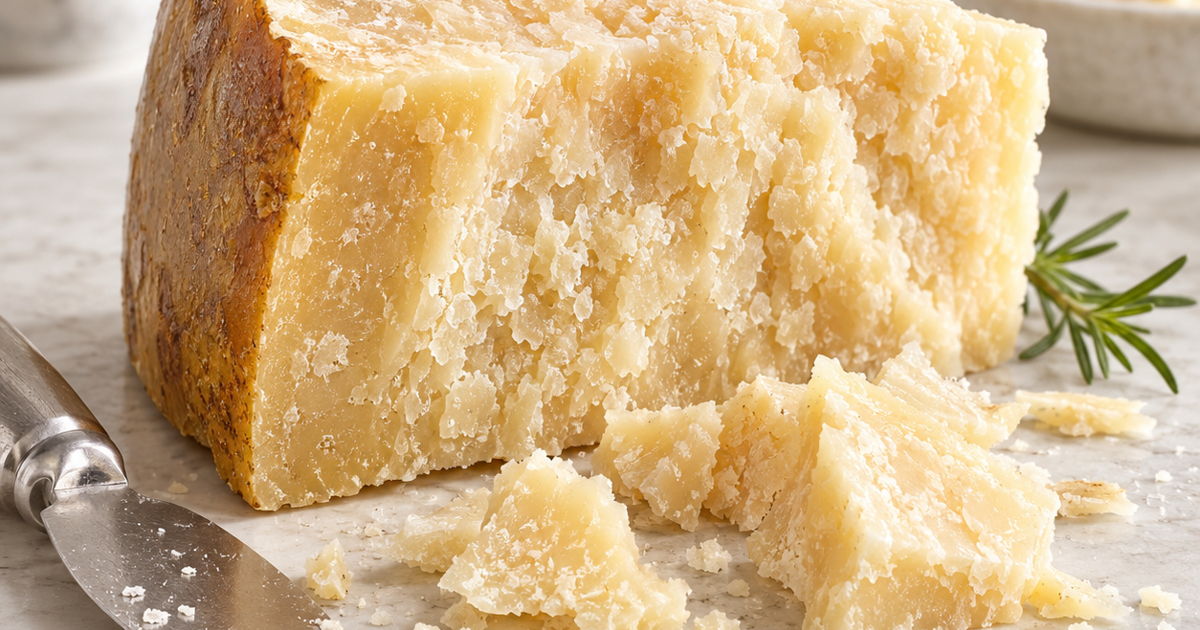
Parmesan cheese is a firm, aged cheese known for its rich, nutty flavor and savory taste. It is widely used in pasta, pizza, soups, salads, sauces, casseroles, and roasted vegetable dishes. Parmesan cheese pairs especially well with pasta, garlic, and butter. Explore easy recipes with Parmesan cheese and discover flavorful ideas for lunch, dinner, appetizers, side dishes, pasta, and homemade comfort food.
Best Parmesan Cheese Recipes
Read more about Parmesan cheese
What Is Parmesan Cheese?
Parmesan is a firm, aged cheese with a granular texture and concentrated savory flavor. It is commonly grated or shaved over pasta, salads, soups, pizza, risotto, and roasted vegetables.
Parmigiano Reggiano is a protected Italian cheese produced in designated areas according to specific traditional standards. Products labeled simply “Parmesan” may be made in other regions and can vary in age, texture, ingredients, and flavor.
Types of Parmesan Cheese
Parmesan is available in several convenient forms:
- Parmesan wedge – provides fresh flavor and can be grated, shaved, or cut into small pieces.
- Grated Parmesan – finely grated and convenient for pasta, soups, sauces, and toppings.
- Shredded Parmesan – has longer pieces that work well in salads, casseroles, and baked dishes.
- Shaved Parmesan – thin slices commonly served over salads, roasted vegetables, and pasta.
- Parmigiano Reggiano – an authentic Italian variety with a complex, nutty, and savory flavor.
How to Use Parmesan Cheese
Parmesan can be grated over pasta, pizza, soups, risotto, casseroles, eggs, and roasted vegetables. It can also be mixed into sauces, breading, meatballs, savory biscuits, dips, and salad dressings.
Freshly grated Parmesan usually melts and blends more smoothly than many shelf-stable grated products. Add it gradually to warm sauces and stir over low heat to reduce clumping.
Does Parmesan Cheese Melt?
Finely grated Parmesan softens and melts into warm pasta, soups, risotto, and sauces, but it does not usually produce the stretchy texture associated with mozzarella. Its low moisture content and long aging process give it a firm, granular texture.
For a smoother sauce, grate Parmesan finely and add it gradually after reducing the heat. Excessive heat can cause the cheese to clump or separate.
What Goes Well With Parmesan Cheese?
Parmesan pairs well with pasta, tomatoes, garlic, butter, mushrooms, chicken, potatoes, eggs, spinach, asparagus, and cauliflower. It also complements herbs such as parsley, basil, oregano, rosemary, and thyme.
For a simple topping, combine grated Parmesan with breadcrumbs, garlic, black pepper, and herbs. This mixture can be used on chicken, fish, casseroles, and roasted vegetables.
Parmesan Cheese Substitutes
The best substitute depends on the recipe:
- Use Pecorino Romano for a sharper and saltier flavor.
- Use Grana Padano for a similar firm texture and milder savory taste.
- Use Asiago in pasta, soups, sauces, and baked dishes.
- Use aged cheddar cheese when a different but bold cheese flavor is acceptable.
- Use nutritional yeast or a suitable dairy-free Parmesan alternative for plant-based recipes.
These substitutes vary in saltiness and intensity. Begin with a smaller amount, taste the dish, and adjust the seasoning as needed.
Can You Use a Parmesan Rind?
The hard rind from a Parmesan wedge can add savory flavor to soups, sauces, stews, and beans. Rinse the rind, add it while the dish simmers, and remove it before serving if it remains firm.
Before using the rind, check the package to confirm that it is a natural cheese rind without wax or other inedible coatings.
How to Store Parmesan Cheese
Keep Parmesan refrigerated and follow the storage instructions printed on its package. Wrap an opened wedge in cheese paper, parchment paper, or wax paper, and place it in a sealed food-safe container or storage bag.
Store grated or shredded Parmesan in a tightly sealed container and use clean utensils when serving it. Discard the cheese if it develops an unpleasant odor, unusual discoloration, slimy areas, or other signs of spoilage.
Parmesan can be frozen, although its texture may become more crumbly. For convenient cooking, grate or portion it before freezing and use it later in sauces, soups, casseroles, and baked dishes.
Frequently Asked Questions
Is Parmesan the same as Parmigiano Reggiano?
Not always. Parmigiano Reggiano is produced in specific areas of Italy under protected standards. Cheese labeled simply Parmesan may be produced elsewhere using different methods and aging periods.
Can Parmesan cheese be melted?
Yes. Finely grated Parmesan melts into warm sauces, soups, pasta, and risotto. However, it does not become as stretchy as mozzarella because it is a firm, aged cheese with relatively little moisture.
Can you eat the rind of Parmesan cheese?
A natural Parmesan rind can be added to soups, sauces, beans, and stews for flavor. It may remain too firm to eat and can be removed before serving. Do not use rinds covered with wax or another inedible coating.
Why does Parmesan clump in sauce?
Parmesan may clump when added over high heat or in large amounts. Finely grate the cheese, reduce the heat, add it gradually, and stir continuously for a smoother result.
Can Parmesan cheese be frozen?
Yes. Parmesan can be frozen, especially when grated or shredded. Its texture may become more crumbly after thawing, but it will still work well in cooked dishes.
Is Parmesan cheese gluten-free?
Many plain Parmesan cheeses do not contain gluten ingredients. However, grated cheese blends, flavored products, and manufacturing practices can vary. Check the package for a certified gluten-free label if gluten must be strictly avoided.