Honey
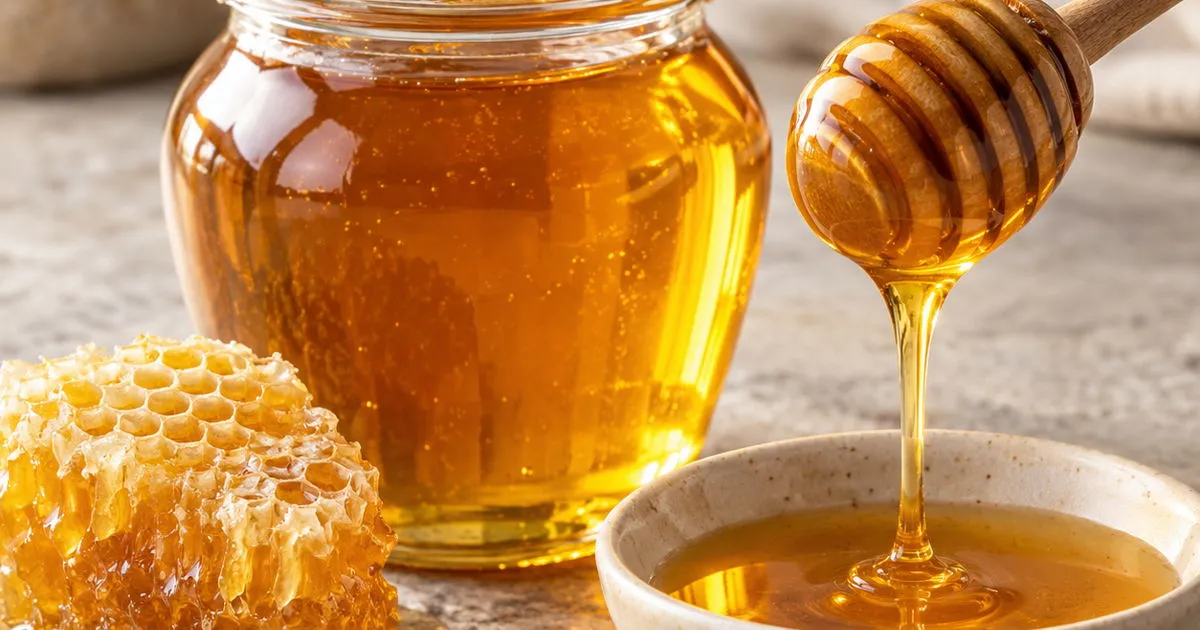
Honey is a naturally sweet ingredient used in baking, drinks, marinades, sauces, dressings, breakfast dishes, and homemade desserts. Its flavor can range from light and floral to dark and robust depending on the flowers visited by the bees. Honey pairs especially well with lemon, butter, vanilla extract, and cinnamon. Explore easy recipes with honey and discover delicious ideas for breakfast, baking, desserts, drinks, sauces, marinades, and everyday meals.
Best Recipes with Honey
Read more about honey
What Is Honey?
Honey is a thick, sweet substance produced by bees from flower nectar. Its color, aroma, flavor, and thickness vary depending on the floral source, region, season, and processing method.
Honey is commonly used as a sweetener, glaze, baking ingredient, and flavoring for both sweet and savory recipes.
Common Types of Honey
Honey is available in many varieties:
- Clover honey: A widely available honey with a mild, familiar flavor.
- Wildflower honey: Produced from different flowers and variable in color and flavor.
- Orange blossom honey: Light and floral with a subtle citrus aroma.
- Buckwheat honey: Darker honey with a strong, robust flavor.
- Raw honey: Honey that has not undergone the same heating and filtration as many conventional products.
- Creamed honey: Honey processed to create a smooth, spreadable texture.
Different varieties can generally replace one another, but they may change the flavor and color of the finished recipe.
How to Measure Honey
Honey is thick and sticky, so it can cling to measuring spoons and cups. Lightly coat the measuring tool with neutral cooking oil or nonstick spray before adding the honey.
For the most accurate results, measure honey by weight using a kitchen scale. Scrape the measuring container with a flexible spatula to remove as much honey as possible.
Ways to Use Honey
Honey can be used in many sweet and savory recipes:
- Drizzling over pancakes, waffles, toast, and yogurt
- Sweetening tea, lemonade, smoothies, and cocktails
- Making cakes, cookies, muffins, breads, and granola
- Preparing marinades and glazes for chicken, pork, and salmon
- Mixing salad dressings, vinaigrettes, dips, and sauces
- Adding sweetness to oatmeal, fruit, and breakfast bowls
- Balancing spicy, salty, tangy, or bitter flavors
Because honey varieties differ in strength, add it gradually and adjust according to taste.
How to Cook with Honey
Honey can add sweetness, color, and a glossy texture to sauces, marinades, and glazes. It pairs well with garlic, mustard, lemon juice, soy sauce, herbs, and spices.
Honey can darken and burn when exposed to high heat. When grilling or roasting, apply a honey-based glaze closer to the end of cooking or use moderate heat.
How to Bake with Honey
Honey adds sweetness, moisture, color, and flavor to cakes, cookies, muffins, quick breads, and yeast breads. Because it is a liquid sweetener, replacing granulated sugar with honey can change the texture and moisture balance.
Honey also browns more quickly than granulated sugar. Use a recipe developed for honey or follow a tested substitution that adjusts the other liquids and baking temperature.
How to Make a Simple Honey Mustard Sauce
A basic honey mustard sauce can be prepared by combining:
- 1/4 cup honey
- 1/4 cup mustard
- 1 tablespoon lemon juice
- Salt and black pepper to taste
Whisk until smooth. Use it as a dip, salad dressing, sandwich spread, or glaze for cooked chicken and vegetables.
Can Honey Replace Sugar?
Honey can replace sugar in selected recipes, but the substitution is not always equal. Honey adds extra liquid, has a distinctive flavor, and encourages faster browning.
When adapting a baking recipe, the amount of other liquid may need to be reduced. For dependable results, use a recipe specifically designed for honey.
Why Does Honey Crystallize?
Crystallization is a natural process in which some of the sugars in honey form solid crystals. It does not automatically mean that the honey has spoiled.
To make crystallized honey liquid again, place the closed container in warm water and stir the honey periodically. Avoid excessive heat, which can change its flavor and quality.
Honey Substitutes
Possible substitutes depend on the recipe:
- Maple syrup: Adds liquid sweetness with a noticeable maple flavor.
- Agave syrup: Provides a mild flavor and fluid consistency.
- Brown sugar: Works in selected recipes but does not provide the same moisture.
- Molasses: Adds a much darker color and stronger flavor.
- Simple syrup: Suitable for drinks and selected sauces.
Substitutions can affect flavor, moisture, browning, and texture, particularly in baked goods.
How to Store Honey
Store honey in a tightly sealed container at room temperature in a cool, dry cupboard. Keep it away from excess heat, direct sunlight, moisture, and strong odors.
Refrigeration is generally unnecessary and may cause honey to crystallize more quickly. Use a clean, dry utensil to avoid introducing moisture or other ingredients into the container.
Frequently Asked Questions
Can babies eat honey?
No. Do not give honey or foods containing honey to children younger than 12 months because honey may contain bacteria that can cause infant botulism.
Does crystallized honey mean it has spoiled?
No. Crystallization is a normal process and does not necessarily indicate spoilage. The crystals can usually be dissolved by gently warming the closed container in warm water.
Can honey be used in baking?
Yes. Honey adds sweetness, moisture, color, and flavor to baked goods. Because it is a liquid sweetener, the recipe may require adjustments to other liquids.
Can honey be frozen?
Yes. Honey can be frozen in a tightly sealed, freezer-safe container with enough room for expansion. It may become very thick but will soften after returning to room temperature.
Why does honey vary in color and flavor?
The characteristics of honey depend largely on the flowers that supplied the nectar. Processing, location, season, and storage can also affect its appearance and flavor.