Sugar
Sugar is a common cooking and baking ingredient used to add sweetness, moisture, color, and texture to countless recipes. It is frequently used in cakes, cookies, breads, candies, sauces, drinks, and homemade desserts. Sugar works especially well with flour, butter, eggs, and vanilla extract. Explore easy recipes with sugar and discover delicious ideas for breakfast, baking, desserts, drinks, sauces, and homemade treats.
Best Recipes with Sugar
Read more about sugar
What Is Sugar?
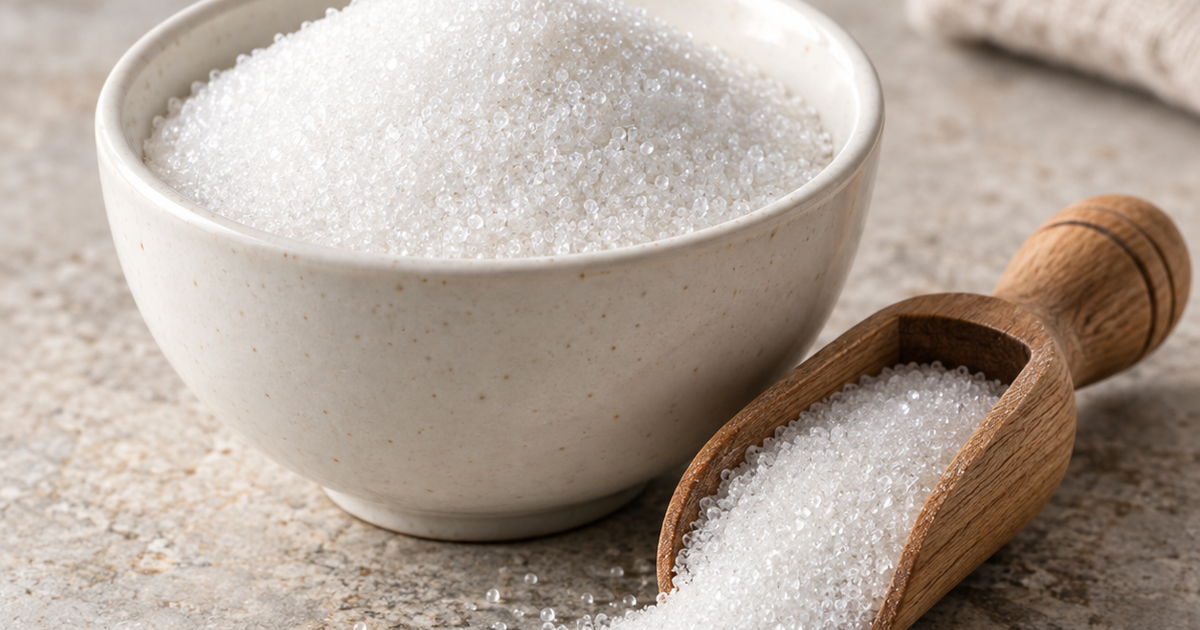
Sugar is a sweet carbohydrate used in cooking, baking, candy making, and beverages. Granulated white sugar is the standard variety used in many household recipes.
In addition to sweetness, sugar can contribute moisture, tenderness, spread, browning, and structure. Its role varies depending on the recipe and how it interacts with the other ingredients.
Common Types of Sugar
Different types of sugar have different textures and culinary uses:
- Granulated sugar: Standard white sugar used in cakes, cookies, drinks, sauces, and everyday recipes.
- Brown sugar: Sugar containing molasses, which adds moisture, color, and a caramel-like flavor.
- Powdered sugar: Finely ground sugar commonly used for frosting, glaze, dusting, and candy making.
- Caster sugar: Fine granulated sugar that dissolves quickly in meringues, cakes, and drinks.
- Coarse sugar: Large sugar crystals used for decorating and adding texture to baked goods.
- Turbinado sugar: Partially refined sugar with golden crystals and a mild molasses flavor.
These sugars are not always interchangeable because their crystal size, moisture, and flavor can affect the finished recipe.
How Sugar Is Used in Baking
Sugar performs several important functions in baked goods:
- Adds sweetness and balances other flavors
- Helps cakes, cookies, and breads retain moisture
- Encourages browning and caramelization
- Contributes to tenderness and texture
- Helps butter trap air during creaming
- Affects how much cookies spread during baking
- Stabilizes whipped egg whites in meringues
Reducing the sugar can affect more than sweetness. It may change the color, moisture, structure, and texture of the finished baked goods.
How to Measure Sugar
To measure granulated sugar, fill the measuring cup and level the surface with the straight edge of a knife. There is no need to press it firmly into the cup.
Powdered sugar should be sifted when the recipe specifies sifted sugar. Brown sugar is usually packed firmly into the measuring cup unless the recipe provides different instructions.
For the most consistent baking results, measure sugar by weight with a kitchen scale.
How to Cream Butter and Sugar
Creaming butter and sugar incorporates small air pockets into the mixture. This process helps create a lighter texture in many cakes and cookies.
Use softened butter and beat it with the sugar until the mixture becomes pale and fluffy. Scrape the sides and bottom of the bowl periodically to ensure even mixing.
Ways to Use Sugar
Sugar can be used in many recipes:
- Cakes, cookies, muffins, pies, and pastries
- Bread, rolls, pancakes, and waffles
- Frosting, glaze, caramel, and candy
- Coffee, tea, lemonade, and cocktails
- Jams, preserves, fruit sauces, and compotes
- Marinades, salad dressings, and savory sauces
- Custards, puddings, ice cream, and homemade desserts
A small amount of sugar can also balance acidity, bitterness, saltiness, or strong spices in savory recipes.
How to Caramelize Sugar
Sugar caramelizes when it is heated until it melts and develops a deep golden color and complex flavor.
To make a basic dry caramel:
- Place an even layer of granulated sugar in a clean, dry saucepan.
- Heat it over medium-low heat.
- Allow the edges to begin melting before gently swirling the pan.
- Continue heating until the sugar is evenly melted and amber-colored.
- Remove it from the heat before it becomes too dark or begins to burn.
Melted sugar is extremely hot and can cause serious burns. Handle it carefully and keep children away from the cooking area.
White Sugar vs. Brown Sugar
White sugar has a neutral sweetness and dry, free-flowing crystals. Brown sugar contains molasses, which adds moisture and a deeper caramel-like flavor.
Brown sugar can produce softer, chewier baked goods, while white sugar often encourages a crisper texture. Replacing one with the other may change the color, spread, moisture, and flavor of a recipe.
Sugar Substitutes
Possible substitutes depend on the recipe:
- Honey: Adds sweetness, moisture, and a distinctive flavor.
- Maple syrup: Provides liquid sweetness and a noticeable maple flavor.
- Coconut sugar: Has a darker color and mild caramel-like flavor.
- Artificial or alternative sweeteners: Vary in sweetness, volume, and behavior during baking.
Liquid sweeteners can change the moisture balance of a recipe. For reliable results, use a recipe designed for the selected substitute or follow the manufacturer’s conversion instructions.
How to Store Sugar
Store sugar in a tightly sealed container in a cool, dry cupboard. Keep it away from moisture, strong odors, heat, and insects.
Granulated sugar may form hard clumps if exposed to moisture. Brown sugar can harden when it loses moisture, so keep it in an airtight container.
Discard sugar if it becomes contaminated by insects, mold, unusual odors, or foreign materials.
Frequently Asked Questions
Does sugar expire?
Plain sugar can remain usable for a long time when stored properly. It may develop clumps or lose quality, but it does not usually spoil unless exposed to moisture or contamination.
Can brown sugar replace white sugar?
Yes, in many recipes, but it may produce a darker color, deeper flavor, and softer texture. The change is more noticeable in cookies and other baked goods.
Why is sugar used in bread?
Sugar can add flavor and color and provide food for yeast. However, many bread recipes require little or no added sugar.
Why did my sugar crystallize?
Sugar syrup may crystallize when undissolved crystals remain on the sides of the pan or the mixture is stirred at the wrong stage. Use a clean pan and follow the recipe’s heating and stirring instructions carefully.
Can you reduce sugar in baking?
Sometimes, but sugar affects texture, moisture, spread, browning, and structure as well as sweetness. Large reductions may significantly change the finished result.