Easy Tomato Recipes
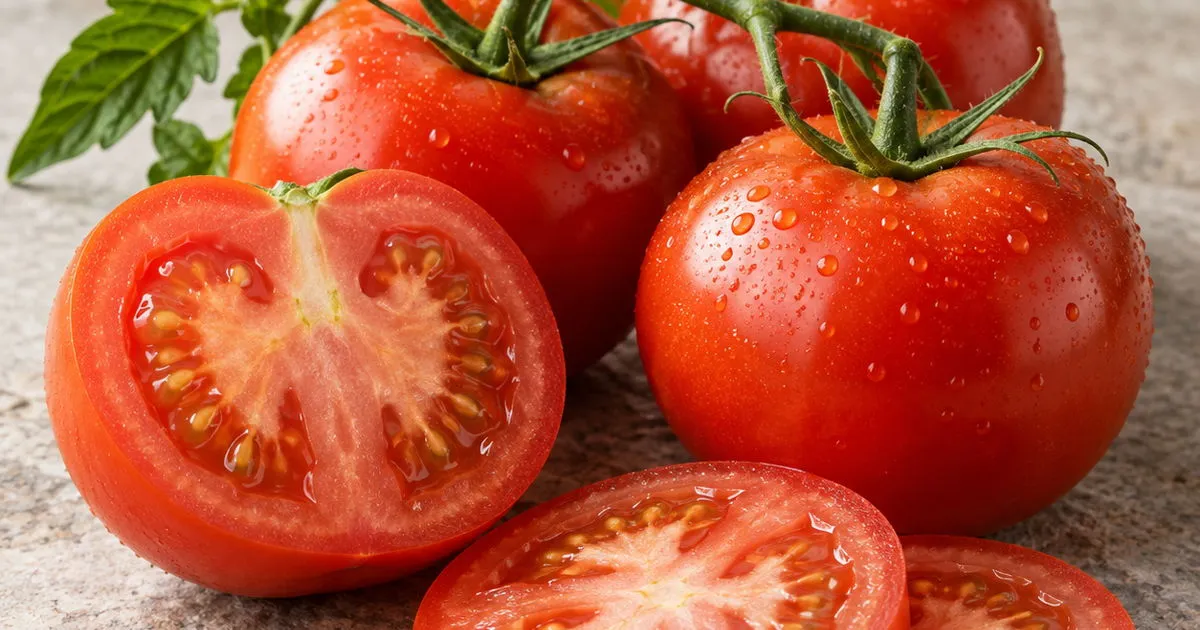
Tomato is a versatile ingredient used in salads, sauces, soups, sandwiches, pasta, pizza, casseroles, and many other dishes. Tomatoes can be enjoyed raw, roasted, grilled, sautéed, or simmered into a rich homemade sauce. Their fresh, slightly sweet, and acidic flavor pairs especially well with garlic, onion, olive oil, and cheese. Explore easy recipes with tomatoes and discover delicious ideas for appetizers, lunch, dinner, salads, sauces, and everyday meals.
Best Tomato Recipes
Read more about tomatoes
What Is a Tomato?
A tomato is botanically a fruit because it develops from a flower and contains seeds. In cooking, however, it is usually treated as a vegetable because it is most often used in savory dishes.
Tomatoes vary in size, shape, color, texture, sweetness, and acidity. They can be served fresh or cooked into sauces, soups, stews, casseroles, and many other recipes.
Common Types of Tomatoes
Different tomato varieties work well for different recipes:
- Roma tomatoes: Firm, oval tomatoes with fewer seeds that are well suited to sauces, roasting, and salsa.
- Cherry tomatoes: Small, sweet tomatoes that work well in salads, pasta, skewers, and roasted dishes.
- Grape tomatoes: Small, oblong tomatoes with a firm texture and mildly sweet flavor.
- Beefsteak tomatoes: Large, juicy tomatoes commonly used in burgers, sandwiches, and salads.
- Plum tomatoes: Meaty tomatoes that are useful for sauces, soups, and roasting.
- Heirloom tomatoes: Tomatoes available in many colors, shapes, and flavors, often served fresh.
The varieties can often be substituted, but the moisture, texture, and finished flavor may differ.
How to Choose Ripe Tomatoes
Choose tomatoes with an even color and smooth skin. They should feel firm but yield slightly when gently pressed.
A ripe tomato often has a fresh, noticeable aroma near the stem. Avoid tomatoes with mold, leaking areas, deep cracks, or large soft spots.
How to Cut a Tomato
Use a sharp serrated knife or a well-sharpened chef’s knife to avoid crushing the tomato. Remove the stem and core, then slice, dice, quarter, or chop it according to the recipe.
For salads and sandwiches, use firm tomatoes that hold their shape. Softer, very ripe tomatoes work well in sauces, soups, and cooked dishes.
How to Peel Tomatoes
Tomato skins can be removed before preparing smooth sauces, soups, and purées:
- Cut a shallow “X” into the bottom of each tomato.
- Place the tomatoes in boiling water for approximately 30–60 seconds.
- Transfer them immediately to a bowl of ice water.
- When cool enough to handle, peel away the loosened skin.
Avoid leaving the tomatoes in boiling water too long unless you want them to begin cooking.
Ways to Use Tomatoes
Tomatoes can be included in many types of recipes:
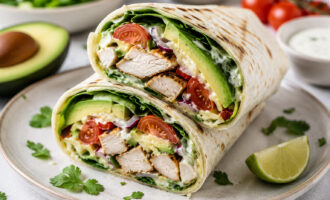
- Fresh salads, sandwiches, burgers, and wraps
- Pasta sauce, pizza sauce, and homemade salsa
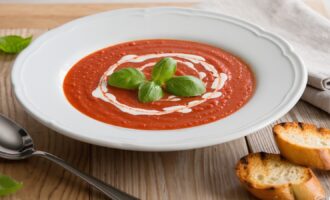
- Soups, stews, chili, and casseroles
- Roasted or grilled vegetable dishes
- Bruschetta, crostini, dips, and appetizers
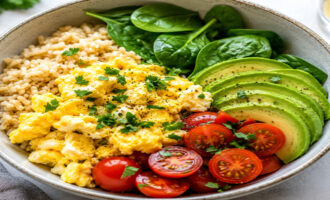
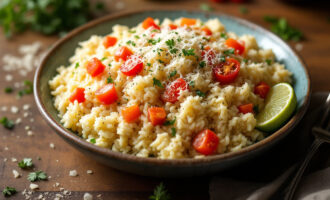
- Egg dishes, rice bowls, tacos, and pasta
- Juices, relishes, chutneys, and marinades
Tomatoes pair naturally with basil, garlic, onion, olive oil, cheese, black pepper, and many fresh herbs.
How to Roast Tomatoes
To roast tomatoes:
- Preheat the oven to 400°F (205°C).
- Cut the tomatoes into halves, wedges, or thick slices.
- Arrange them on a baking sheet.
- Drizzle with olive oil and season with salt and black pepper.
- Roast until softened and lightly browned around the edges.
Small tomatoes may cook more quickly than large tomato wedges. Roasting concentrates their flavor and brings out their natural sweetness.
Fresh Tomatoes vs. Canned Tomatoes
Fresh tomatoes provide a bright flavor and firm texture, making them ideal for salads, sandwiches, salsa, and fresh toppings.
Canned tomatoes are convenient and work especially well in cooked recipes such as pasta sauce, soup, chili, curry, and stew. Depending on the recipe, you can use whole peeled, diced, crushed, or puréed tomatoes.
What Can Replace Tomatoes?
The best substitute depends on how tomatoes are used in the recipe. Canned tomatoes can often replace fresh tomatoes in cooked dishes, while tomato sauce or tomato paste may work in recipes that require concentrated tomato flavor.
Red bell peppers, pumpkin purée, or other vegetables may provide color and texture in selected recipes, but they will not reproduce the same acidity or flavor. Adjust seasonings and liquid as needed.
How to Store Tomatoes
Store uncut tomatoes at room temperature until they reach the desired ripeness. Keep them away from direct sunlight and excessive heat.
Very ripe tomatoes can be refrigerated to slow further softening. Allow refrigerated tomatoes to return closer to room temperature before serving if you prefer a fuller flavor.
Place cut tomatoes in a tightly sealed container and refrigerate them promptly. Discard tomatoes that develop mold, leaking areas, a slimy texture, or an unpleasant odor.
Frequently Asked Questions
Is a tomato a fruit or a vegetable?
Botanically, a tomato is a fruit because it develops from a flower and contains seeds. In cooking, it is usually treated as a vegetable because it is commonly used in savory recipes.
Can you freeze tomatoes?
Yes. Whole, chopped, or cooked tomatoes can be frozen. Their texture becomes softer after thawing, so frozen tomatoes work best in sauces, soups, stews, and casseroles.
Should tomatoes be refrigerated?
Uncut tomatoes can be kept at room temperature while ripening. Refrigeration can help slow the softening of fully ripe tomatoes, while cut tomatoes should be covered and refrigerated.
Why are some tomatoes more acidic than others?
Acidity and sweetness vary depending on the tomato variety, growing conditions, and ripeness. Cooking can also change how these flavors are perceived.
Can canned tomatoes replace fresh tomatoes?
Yes, especially in sauces, soups, chili, stews, and casseroles. Fresh tomatoes are generally preferable when the recipe depends on a crisp texture and fresh flavor.