Dark Chocolate Recipes
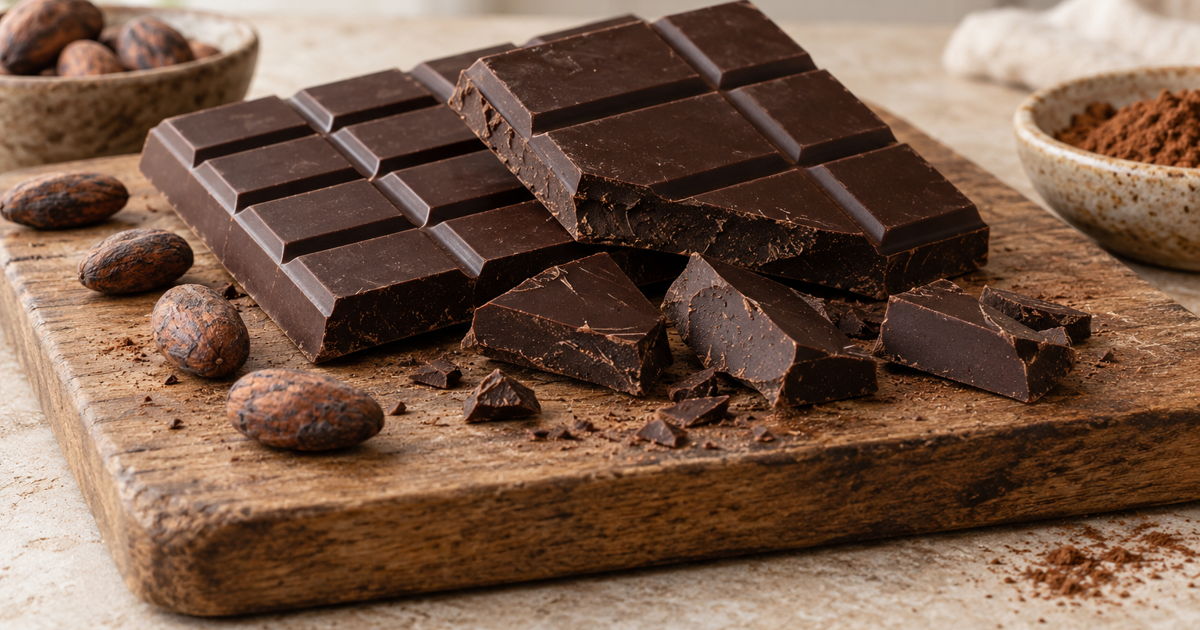
Dark chocolate is a rich and versatile ingredient with an intense cocoa flavor that works beautifully in baking, desserts, drinks, and homemade treats. It can be used in brownies, cookies, cakes, muffins, sauces, ganache, and candies. Dark chocolate pairs especially well with banana, berries, coffee, nuts, and vanilla extract. Explore easy recipes with dark chocolate and discover delicious ideas for baking, desserts, snacks, drinks, and special occasions.
Best Dark Chocolate Recipes
Read more about Dark Chocolate
What Is Dark Chocolate?
Dark chocolate is made primarily from cocoa solids, cocoa butter, and sugar. Unlike milk chocolate, it usually contains little or no milk ingredients, giving it a deeper cocoa flavor and a firmer texture.
The flavor can range from mildly sweet to intensely bitter depending on the percentage of cocoa solids. Dark chocolate is commonly used in brownies, cookies, cakes, ganache, sauces, frostings, candies, and hot drinks.
Dark Chocolate Cocoa Percentages
The percentage printed on a dark chocolate package generally represents the total amount of ingredients derived from cacao beans, including cocoa solids and cocoa butter. A higher percentage usually means a stronger cocoa flavor and less sugar.
Dark chocolate containing approximately 50% to 60% cacao is relatively sweet and works well in cookies and everyday desserts. Varieties containing 70% cacao or more have a more intense, less sweet flavor that complements rich cakes, brownies, ganache, and chocolate sauces.
Dark Chocolate vs. Milk Chocolate
Dark chocolate typically contains more cocoa solids and less sugar than milk chocolate. Milk chocolate includes milk ingredients that give it a lighter color, sweeter flavor, and creamier texture.
The two varieties can sometimes be substituted for each other, but the finished dessert may have a different sweetness, flavor, and consistency. For predictable results, use the type of chocolate specified in the recipe.
How to Use Dark Chocolate
Dark chocolate can be chopped into chunks and added to cookies, brownies, muffins, pancakes, and quick breads. Melted dark chocolate works well in ganache, cake glaze, frosting, chocolate sauce, mousse, and homemade candy.
Its bold flavor pairs especially well with bananas, strawberries, raspberries, cherries, oranges, coconut, almonds, hazelnuts, peanut butter, caramel, coffee, and vanilla extract.
Baking with Dark Chocolate
Choose a dark chocolate bar intended for baking when the recipe requires smooth melted chocolate. Chocolate chips are designed to retain their shape and may not melt as evenly as chopped baking bars.
When adding dark chocolate to cookies or muffins, chop it into similarly sized pieces so it is distributed evenly. Consider the cacao percentage and sweetness of the chocolate before adjusting the amount of sugar in the recipe.
How to Melt Dark Chocolate
Dark chocolate can be melted gently in a microwave or over a double boiler. For the microwave method, heat it in short intervals and stir thoroughly after each interval. Stop heating when only a few small pieces remain and continue stirring until smooth.
Keep all bowls and utensils completely dry because contact with water can cause melted chocolate to seize. Avoid excessive heat, which may make the chocolate thick, grainy, or scorched.
How to Store Dark Chocolate
Store dark chocolate tightly wrapped in a cool, dry place away from direct sunlight, heat, moisture, and strong odors. An airtight container helps protect its flavor and prevents it from absorbing surrounding smells.
A pale coating may occasionally appear on stored chocolate because of changes in fat or sugar. This is called chocolate bloom. Although the appearance and texture may change, bloomed chocolate can often still be used in baking.
Frequently Asked Questions
What percentage of dark chocolate is best for baking?
Dark chocolate containing approximately 60% to 70% cacao is a versatile option for brownies, cookies, cakes, ganache, and sauces. The best percentage ultimately depends on the sweetness and intensity desired.
Can dark chocolate replace semisweet chocolate?
It can work in many recipes, but higher-percentage dark chocolate is less sweet and may create a more intense flavor. Consider the recipe’s total amount of sugar before making the substitution.
Why did my dark chocolate become grainy when melted?
Chocolate may become grainy when it is overheated or comes into contact with water. Melt it slowly at a low temperature, stir frequently, and use completely dry equipment.