Fruits & Berries
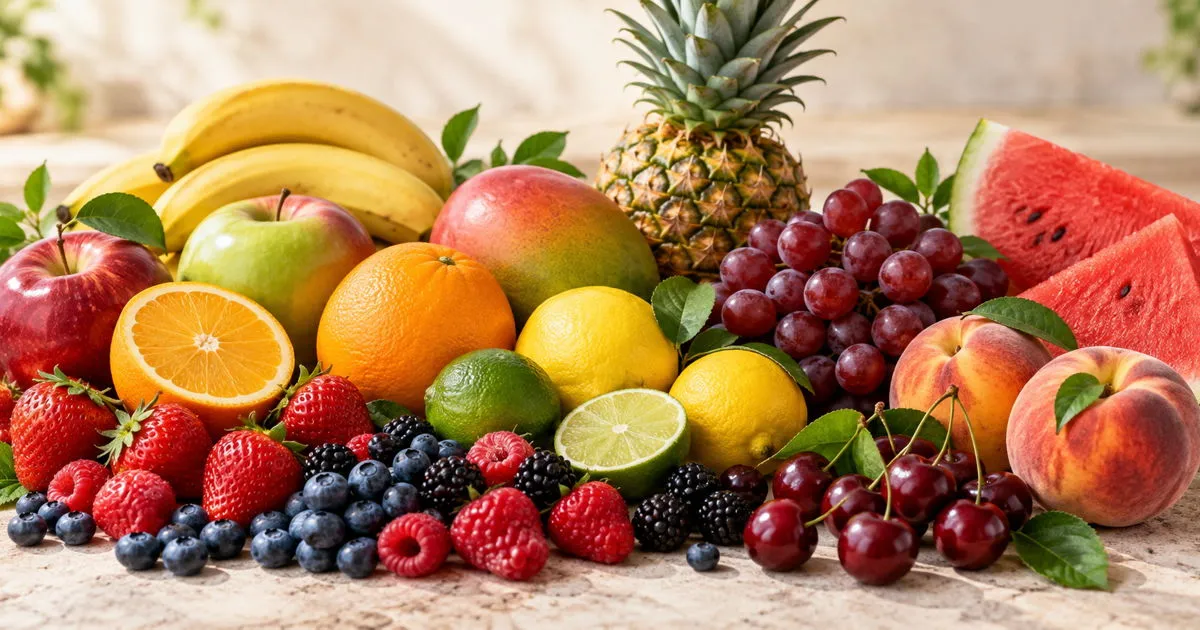
Fruits and berries add natural sweetness, color, moisture, and fresh flavor to sweet and savory recipes. They are widely used in breakfast bowls, smoothies, salads, sauces, desserts, cakes, muffins, drinks, and homemade snacks. Fruits and berries pair especially well with Greek yogurt, cottage cheese, and vanilla extract. Explore easy fruit and berry recipes and discover delicious ideas for breakfast, lunch, desserts, baking, drinks, and seasonal treats.
Best Fruit and Berry Recipes
Read more about fruits and berries
What Are Fruits and Berries?
Fruits are the seed-bearing parts of flowering plants and come in many flavors, colors, and textures. In everyday cooking, the term includes familiar ingredients such as apples, bananas, citrus fruits, peaches, pears, grapes, melons, and tropical fruits.
Berries are small, juicy fruits commonly used in breakfasts, desserts, drinks, salads, and sauces. Popular culinary berries include strawberries, blueberries, raspberries, blackberries, and cranberries.
Popular Types of Fruit
Different fruits work well in different recipes:
- Apples and pears – suitable for pies, cakes, salads, sauces, oatmeal, and baked desserts.
- Citrus fruits – oranges, lemons, limes, and grapefruit add bright flavor to drinks, marinades, desserts, and sauces.
- Stone fruits – peaches, plums, cherries, nectarines, and apricots work well in desserts, salads, sauces, and grilled dishes.
- Tropical fruits – pineapple, mango, papaya, bananas, and coconut add sweetness to smoothies, desserts, drinks, and savory dishes.
- Melons – watermelon, cantaloupe, and honeydew are refreshing additions to fruit salads, drinks, appetizers, and frozen treats.
- Grapes – can be served fresh, roasted, frozen, or added to salads, desserts, and cheese boards.
Popular Types of Berries
Berries can be used fresh, frozen, cooked, or dried:
- Strawberries – sweet and juicy for smoothies, cakes, salads, sauces, and desserts.
- Blueberries – popular in muffins, pancakes, oatmeal, smoothies, and baked treats.
- Raspberries – soft and tangy for sauces, desserts, drinks, and breakfast bowls.
- Blackberries – rich and juicy for cobblers, pies, sauces, salads, and smoothies.
- Cranberries – naturally tart and commonly used in sauces, baked goods, drinks, and holiday recipes.
- Mixed berries – convenient for smoothies, parfaits, sauces, pancakes, and desserts.
How to Use Fruits and Berries
Fresh fruits and berries can be added to yogurt, cottage cheese, oatmeal, cereal, salads, toast, pancakes, waffles, and desserts. They can also be blended into smoothies, juices, sauces, dressings, and frozen drinks.
Cooked fruits and berries work well in pies, cobblers, crisps, cakes, muffins, jams, compotes, and sauces. Some fruits also complement savory ingredients such as chicken, pork, cheese, leafy greens, herbs, and roasted vegetables.
Fresh vs. Frozen Fruit
Fresh fruit is ideal for salads, garnishes, snacks, parfaits, and dishes where appearance and firm texture are important. Select fruit that is free from mold, deep bruising, leaking liquid, or other signs of spoilage.
Frozen fruit is convenient for smoothies, sauces, compotes, muffins, pancakes, and baked desserts. It can often be used without thawing, although excess ice or liquid may affect a recipe’s consistency and baking time.
How to Wash Fruits and Berries
Wash fruits and berries under clean running water before cutting, eating, or cooking them. Gently rub firm produce with your hands and place delicate berries in a colander so they can be rinsed without excessive handling.
Do not wash produce with soap, bleach, or household cleaning products. Dry it with a clean towel or paper towel when excess moisture could affect storage or the recipe.
Fruit and Berry Substitutes
The best substitute depends on the recipe:
- Use blueberries, raspberries, or blackberries in place of strawberries in many smoothies and baked recipes.
- Use peaches, nectarines, or plums interchangeably when similar sweetness and texture are suitable.
- Use pears in place of apples in salads, cakes, crisps, and baked desserts.
- Use mango or peaches in place of pineapple when less acidity is preferred.
- Use frozen fruit when fresh fruit is unavailable or out of season.
- Use dried fruit in oatmeal, salads, cookies, breads, and trail mixes, while adjusting for its concentrated sweetness.
Substitutions may change the moisture, sweetness, acidity, color, and cooking time. Adjust sugar and liquid ingredients when necessary.
How to Store Fruits and Berries
Storage needs vary by variety and ripeness. Some whole fruits can be kept at room temperature until ripe, while berries, cut fruit, and many ripe fruits should be refrigerated.
Keep berries dry and refrigerate them in a breathable container unless the package states otherwise. Wash them shortly before use because excess moisture can encourage faster spoilage.
Refrigerate cut fruit in a clean, tightly sealed food-safe container. Discard produce that develops mold, a fermented or unpleasant odor, leaking liquid, or an excessively slimy texture.
Frequently Asked Questions
Can frozen fruit replace fresh fruit?
Yes, in many smoothies, sauces, muffins, pancakes, pies, and baked desserts. Frozen fruit may release more liquid, so the recipe’s consistency or cooking time may need adjustment.
Should berries be washed before storing?
Berries generally keep better when stored dry and washed shortly before use. If they are washed in advance, dry them thoroughly before refrigeration.
How can you keep cut fruit from turning brown?
Coat apples, pears, bananas, and similar fruits with a small amount of lemon juice. Store them in a tightly sealed container in the refrigerator.
Can fruits and berries be frozen?
Yes. Wash and thoroughly dry the fruit, remove unwanted stems or pits, and cut larger pieces if needed. Freeze the pieces in a single layer before transferring them to a freezer-safe container.
Can fruit be used in savory recipes?
Yes. Fruits and berries can add sweetness and acidity to salads, sauces, marinades, salsas, roasted dishes, and recipes containing chicken, pork, cheese, grains, or vegetables.
Are fruits and berries gluten-free?
Plain fresh and frozen fruits and berries naturally do not contain gluten. Prepared fruit fillings, sauces, dried fruit blends, and flavored products may contain additional ingredients, so check the package when gluten must be strictly avoided.