Mozzarella
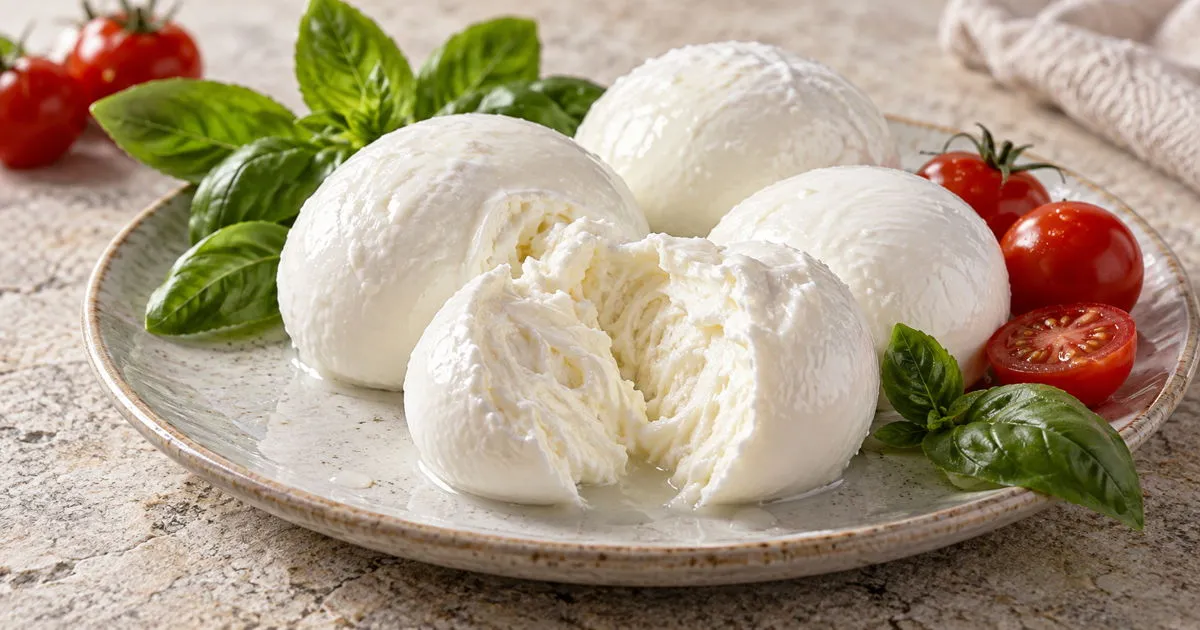
Mozzarella cheese is a mild, creamy cheese known for its soft texture and excellent melting qualities. It is widely used in pizza, pasta, casseroles, sandwiches, salads, appetizers, and baked dishes. Mozzarella pairs especially well with tomatoes, pasta, and chicken. Explore easy recipes with mozzarella cheese and discover delicious ideas for lunch, dinner, appetizers, salads, pizza, and homemade comfort food.
Best Mozzarella Cheese Recipes
Read more about mozzarella cheese
What Is Mozzarella Cheese?
Mozzarella is a soft or semi-soft cheese traditionally associated with Italy. It is made using the pasta filata method, in which the curds are heated and stretched to create a smooth, elastic texture.
Traditional mozzarella di bufala is made from water buffalo’s milk, while many widely available varieties are made from cow’s milk. Mozzarella has a mild, milky flavor and can be sold fresh in liquid or as a firmer, low-moisture cheese.
Types of Mozzarella Cheese
Different types of mozzarella work best in different recipes:
- Fresh mozzarella – soft, moist, and mild; ideal for salads, appetizers, sandwiches, and fresh preparations.
- Low-moisture mozzarella – firmer and less watery, making it a popular choice for pizza, casseroles, and baked pasta.
- Mozzarella di bufala – traditionally made from water buffalo’s milk and known for its rich, delicate flavor.
- Fior di latte – fresh Italian-style mozzarella made from cow’s milk.
- Bocconcini – small mozzarella balls commonly used in salads, skewers, and appetizers.
- String cheese – firm, individually portioned mozzarella that can be eaten as a snack or used in cooked recipes.
How to Use Mozzarella Cheese
Mozzarella can be shredded over pizza, layered into lasagna, added to casseroles, melted inside sandwiches, or used as a topping for chicken and vegetables. Fresh mozzarella works especially well in salads, appetizers, and sandwiches with tomatoes, herbs, and olive oil.
Low-moisture mozzarella is usually better for recipes that require even melting without releasing too much liquid. Fresh mozzarella can also be used on pizza, but it should be drained and patted dry first.
Fresh Mozzarella vs. Low-Moisture Mozzarella
Fresh mozzarella contains more water and has a soft, delicate texture. It is commonly packaged in brine, whey, or water and is best suited to salads, appetizers, and lightly cooked dishes.
Low-moisture mozzarella is firmer, saltier, and easier to shred. It melts evenly and usually releases less water, making it a dependable choice for pizza, baked pasta, casseroles, and other oven-baked recipes.
How to Melt Mozzarella Cheese
For even melting, shred or thinly slice low-moisture mozzarella before adding it to a dish. Distribute it evenly and avoid using more cheese than the recipe requires, as a very thick layer may release excess oil or moisture.
When using fresh mozzarella, drain it thoroughly and pat it dry with a clean paper towel. This helps prevent pizza, pasta, and casseroles from becoming watery.
Mozzarella Cheese Substitutes
The best substitute depends on the recipe:
- Use provolone for sandwiches, pizza, pasta, and baked dishes that need good melting.
- Use Monterey Jack for a mild flavor and smooth texture.
- Use young Gouda for creamy melting and a slightly richer flavor.
- Use fontina in sauces, casseroles, pizza, and baked pasta.
- Use cheddar cheese when a sharper flavor and orange color are acceptable.
- Use a suitable dairy-free mozzarella alternative for plant-based recipes.
Substitutes can differ in flavor, moisture, saltiness, and melting behavior. Choose a low-moisture cheese for pizza and casseroles when excess liquid could affect the finished dish.
How to Store Mozzarella Cheese
Keep mozzarella refrigerated and follow the storage instructions on its package. Fresh mozzarella should generally remain in its original liquid inside a clean, tightly sealed container. Once opened, use it within the period recommended by the manufacturer.
Wrap low-moisture mozzarella securely or store it in a sealed food-safe container to prevent drying and odor absorption. Use clean utensils and return the cheese to the refrigerator promptly after serving.
Discard mozzarella if it develops mold, an unpleasant odor, unusual discoloration, or a slimy texture. Mozzarella can be frozen, but freezing may alter its texture and make fresh mozzarella less delicate after thawing.
Frequently Asked Questions
Which mozzarella is best for pizza?
Low-moisture mozzarella is usually the most dependable option for pizza because it melts evenly and releases less water. Fresh mozzarella can also be used if it is thoroughly drained, dried, and added in moderate amounts.
Does mozzarella cheese melt well?
Yes. Mozzarella is known for melting into a soft, stretchy layer. Low-moisture mozzarella generally provides the most consistent melting for pizza, casseroles, sandwiches, and baked pasta.
Can fresh mozzarella be eaten without cooking?
Yes. Fresh mozzarella is ready to eat and can be served in salads, sandwiches, appetizers, or cheese boards with tomatoes, herbs, olive oil, fruit, and vegetables.
Why did mozzarella make my pizza watery?
Fresh mozzarella contains a large amount of moisture. Drain it well, pat it dry, slice it thinly, and avoid adding too much. Low-moisture mozzarella can be used when a drier result is preferred.
Can mozzarella cheese be frozen?
Yes. Low-moisture shredded or block mozzarella generally freezes better than fresh mozzarella. After thawing, the cheese is usually best used in pizza, casseroles, sauces, and other cooked dishes.
Is mozzarella cheese gluten-free?
Many plain mozzarella products do not contain gluten ingredients. However, flavored, processed, or pre-shredded varieties may contain additives or be exposed to cross-contact. Check the package for a certified gluten-free label if gluten must be strictly avoided.